What is Tooth Decay? Causes, Prevention, and Treatment Options

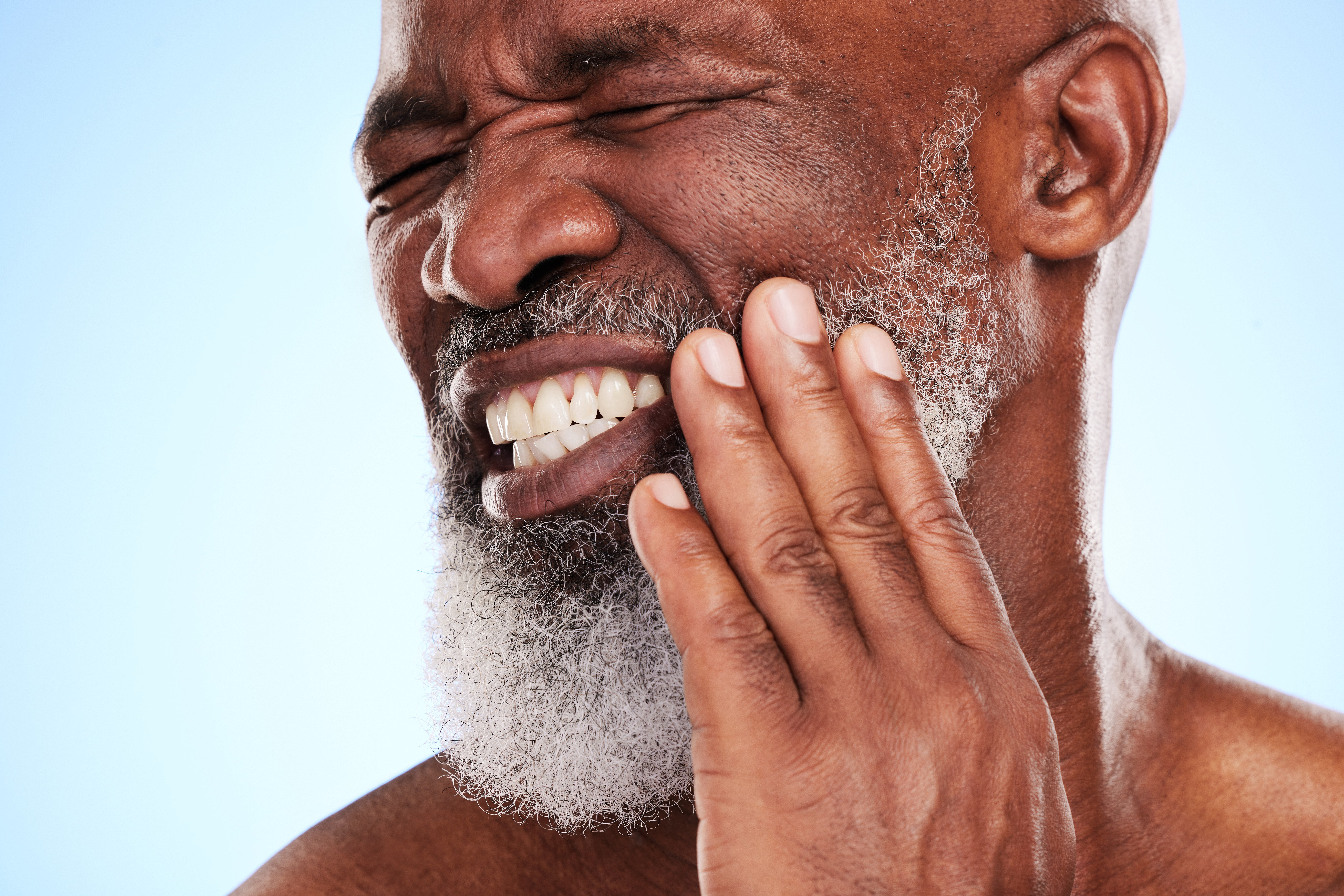
Tooth decay is a common dental issue that, if left untreated, can lead to pain, infection, and even tooth loss. KA Dental, with four offices in Palm Beach County, provides preventive and restorative care to help patients manage and treat tooth decay effectively.
What Causes Tooth Decay?
Poor Oral Hygiene
Failing to brush and floss regularly allows bacteria to build up, leading to plaque and eventually causing decay.
Diet and Sugar Consumption
Sugary foods and acidic beverages contribute significantly to decay by creating an environment in which harmful bacteria thrive.
Lack of Regular Dental Visits
Regular check-ups at KA Dental help catch decay early and prevent more severe dental issues from developing.
Treatment Options for Tooth Decay
Fillings and Sealants
For minor decay, a filling can restore the tooth. Dental sealants also help prevent future decay in children and adults by protecting vulnerable areas.
Crowns for Severe Decay
When decay has spread but the tooth can still be saved, a crown is often the best option. Our advanced technology ensures a precise fit, restoring both function and appearance.
Visit our office today at West Palm Beach, Royal Palm Beach, Boynton Beach, or Palm Beach Gardens.
We offer same-day emergency dental appointments.
Frequently Asked Questions
How is gum disease treated?
<p>Treatment depends on severity. <strong>Gingivitis</strong> responds to professional cleaning and better brushing habits. <strong>Periodontitis</strong> requires deep cleaning (scaling and root planing), possibly Arestin antibiotic therapy, laser gum treatment, and ongoing maintenance cleanings every 3–4 months.</p>
What is dental sleep apnea treatment?
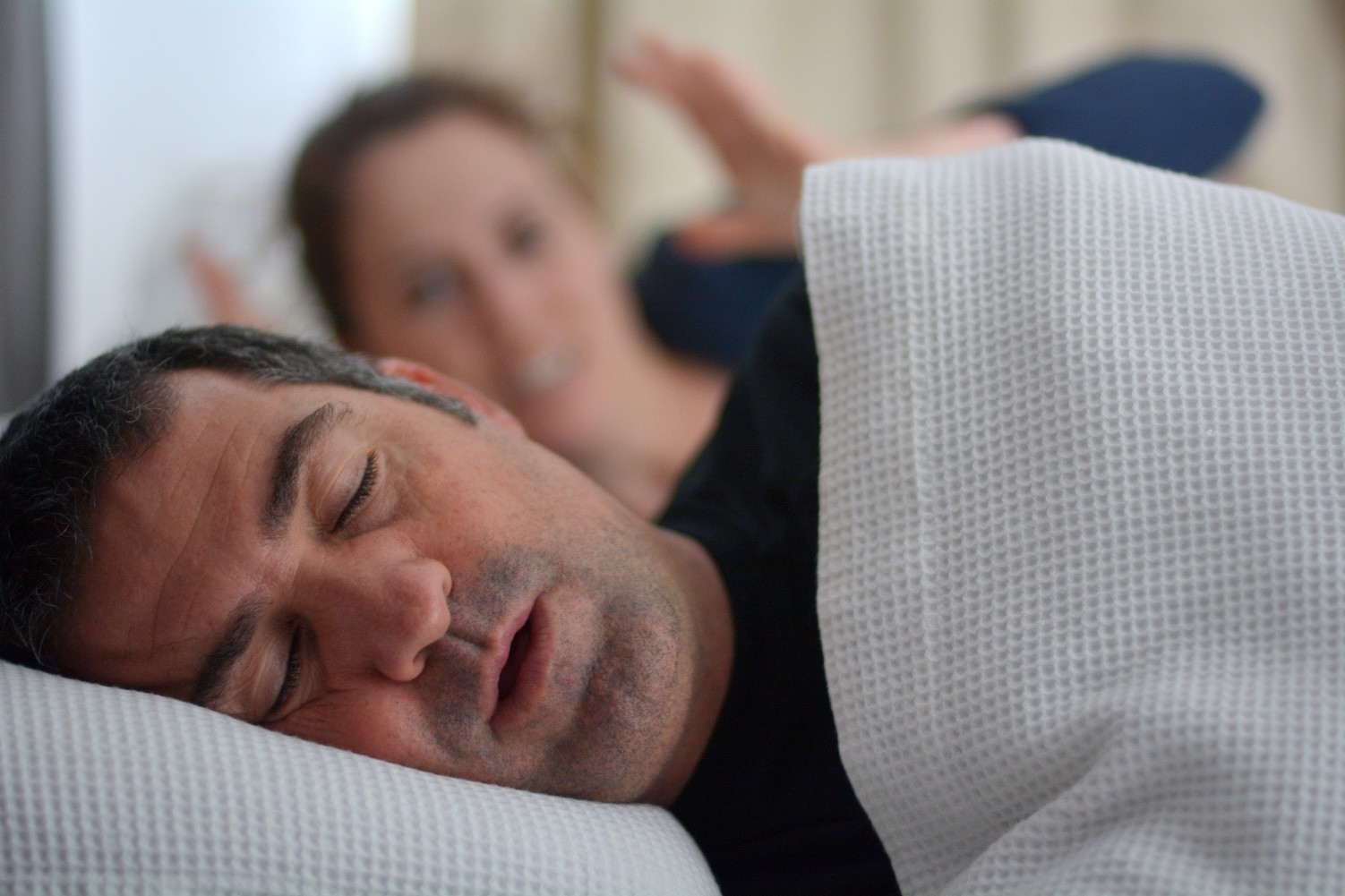
<p>Dental sleep apnea treatment uses a <strong>custom-fitted oral appliance</strong> (similar to a mouthguard) that gently positions your lower jaw forward while you sleep, keeping your airway open. It's a non-invasive alternative to CPAP machines, especially effective for mild to moderate obstructive sleep apnea.</p>
Are oral appliances as effective as CPAP for sleep apnea?
<p>For <strong>mild to moderate obstructive sleep apnea</strong>, oral appliances are a highly effective treatment — clinical research shows comparable outcomes to CPAP for many patients. For severe sleep apnea, CPAP remains the gold standard, though an oral appliance may still be prescribed as a secondary option for patients who can't tolerate CPAP.</p>
Who is a good candidate for sleep apnea oral appliance therapy?
<p>Good candidates include people with <strong>mild-to-moderate obstructive sleep apnea, CPAP intolerance, or those who travel frequently</strong> and can't bring a CPAP. You need a formal sleep study diagnosis first. At KA Dental, we coordinate with your sleep physician and use the appliance as part of a physician-supervised treatment plan.</p>