Dental Solutions for Sleep Apnea
Obstructive sleep apnea (OSA) occurs when the soft tissues of the throat and tongue relax during sleep and partially or completely block the airway. The result is interrupted breathing, fragmented sleep, and a cascade of health risks including cardiovascular disease, diabetes, and cognitive decline.
CPAP therapy is the gold standard, but many patients find it uncomfortable or can't tolerate the mask. For these patients — and for those with mild to moderate sleep apnea — dental sleep medicine offers two highly effective alternatives: custom-fitted oral appliances and advanced laser therapy. Both are performed in our dental offices and don't require surgery.
Signs You Might Have Sleep Apnea
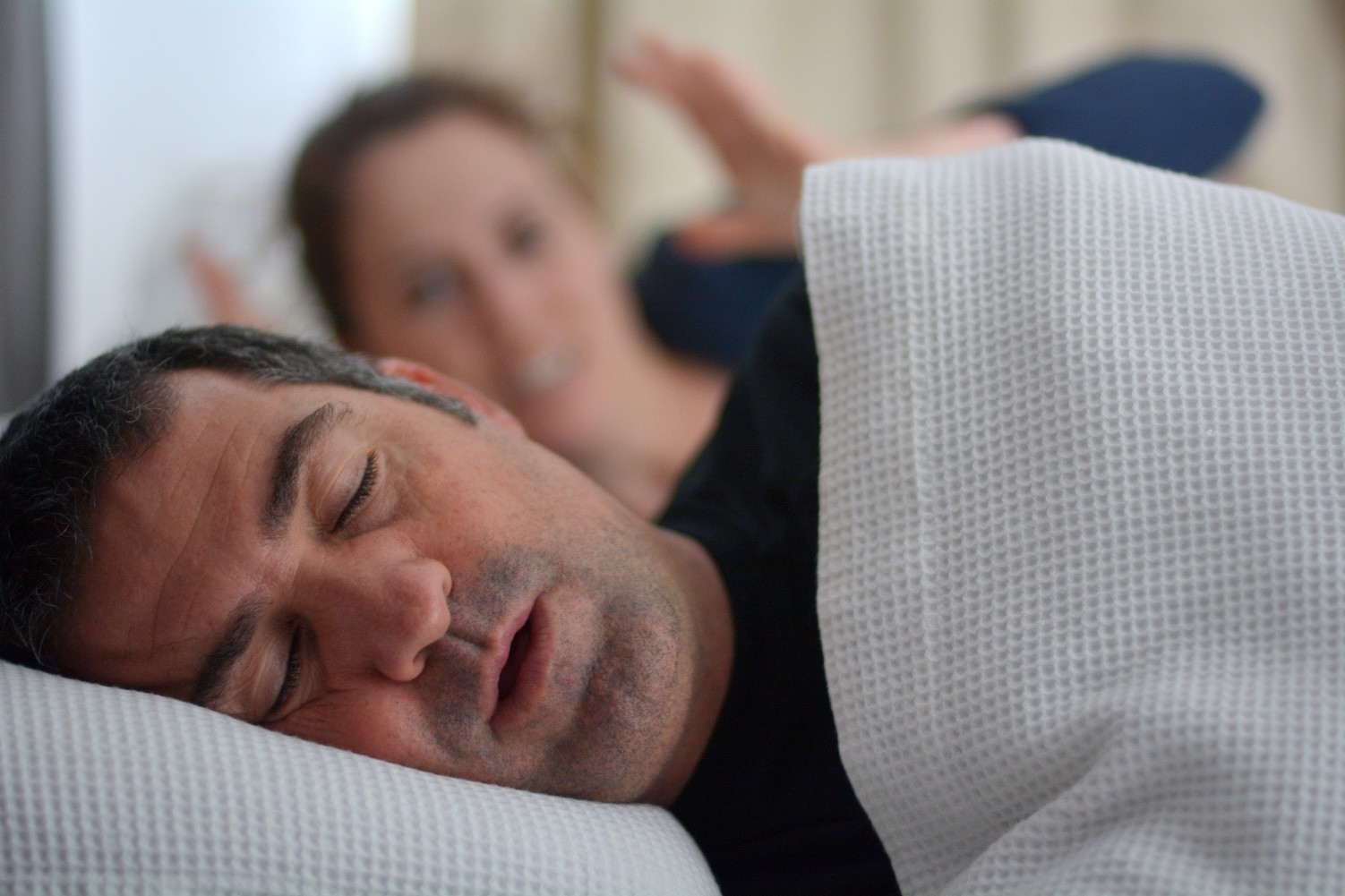
Loud, chronic snoring that disrupts your sleep or your partner's
Pauses in breathing during sleep that your partner has noticed
Gasping or choking awake during the night
Waking with a headache, dry mouth, or sore throat
Excessive daytime sleepiness, even after a full night's sleep
Difficulty concentrating, irritability, or memory issues
High blood pressure that's difficult to control
Untreated sleep apnea is a serious health issue — it's linked to heart disease, stroke, type 2 diabetes, and accidents from daytime drowsiness. If you suspect sleep apnea, a proper sleep study (which your primary care doctor can order) is the starting point for diagnosis.
Oral Appliances and the DEKA QuietNite Laser
Oral appliance therapy uses a custom-fitted device that looks similar to an orthodontic retainer. Worn only during sleep, it gently repositions your lower jaw forward to keep your airway open. For patients with mild to moderate obstructive sleep apnea — and for many with CPAP intolerance — oral appliances offer effective, comfortable relief without machines, masks, or hoses. We work with your physician and sleep study results to select and fit the right appliance.
DEKA QuietNite laser treatment is a newer non-surgical approach using the DEKA CO₂ laser to gently tighten the soft tissues of the oropharynx. The treatment takes under 10 minutes per session, involves no anesthesia or downtime, and most patients complete a short series of sessions. For the right patient — particularly those with snoring or mild OSA — it can dramatically reduce symptoms. We'll determine if you're a candidate during consultation.
Ask Us About CPAP Alternatives
Consult the best dentists in town at any of our beautiful dental clinics for a great time and a lasting smile.
Accepting New Patients
starting from as low as $29
Same Day Treatment

Established since 2012
50+ Years Combined Experience

5 Modern Locations

25000+ Happy Clients
5000+ Implants Placed

10000+ Smile Makeovers

In house Lab for Same Day Dentistry
Frequently Asked Questions for Sleep Apnea Treatment
What is dental sleep apnea treatment?
<p>Dental sleep apnea treatment uses a <strong>custom-fitted oral appliance</strong> (similar to a mouthguard) that gently positions your lower jaw forward while you sleep, keeping your airway open. It's a non-invasive alternative to CPAP machines, especially effective for mild to moderate obstructive sleep apnea.</p>
Are oral appliances as effective as CPAP for sleep apnea?
<p>For <strong>mild to moderate obstructive sleep apnea</strong>, oral appliances are a highly effective treatment — clinical research shows comparable outcomes to CPAP for many patients. For severe sleep apnea, CPAP remains the gold standard, though an oral appliance may still be prescribed as a secondary option for patients who can't tolerate CPAP.</p>
Who is a good candidate for sleep apnea oral appliance therapy?
<p>Good candidates include people with <strong>mild-to-moderate obstructive sleep apnea, CPAP intolerance, or those who travel frequently</strong> and can't bring a CPAP. You need a formal sleep study diagnosis first. At KA Dental, we coordinate with your sleep physician and use the appliance as part of a physician-supervised treatment plan.</p>
Does insurance cover sleep apnea oral appliances?
<p>Yes, usually. Medical insurance (not dental) typically covers oral appliance therapy when you have a <strong>diagnosed sleep apnea condition documented by a sleep study</strong>. Medicare Advantage plans often cover it as well. We verify benefits with your medical insurance before starting treatment and provide the required medical documentation.</p>
How long does it take to get a sleep apnea appliance?
<p>Typically <strong>2 to 4 weeks</strong>. Your initial visit includes digital impressions and a bite registration. The appliance is custom-made and returned for fitting. We then titrate (gradually adjust) over follow-up visits to find the optimal jaw position. Most patients notice improvement within the first week of use.</p>
Are there side effects to sleep apnea oral appliances?
<p>Early on, some patients experience <strong>mild jaw soreness, dry mouth, or increased salivation</strong> — these typically resolve within 1-2 weeks as your muscles adapt. Long-term, slight changes in bite can occur. We schedule regular follow-ups to monitor for any issues and make adjustments as needed.</p>
Can KA Dental diagnose sleep apnea?
<p>No. You still need a <strong>sleep study (polysomnography) for diagnosis</strong>. We coordinate with your sleep physician or can refer you for a home sleep test. After diagnosis, we work collaboratively with your doctor — KA Dental handles the appliance fitting and adjustments while your physician manages the medical side of treatment.</p>