Why an Orthodontist Is the Best Choice for Braces and Invisalign

When it comes to straightening teeth, patients often wonder whether they should see a general dentist or an orthodontist. At KA Dental, we’re proud to have Dr. Richard Donatelli, DMD, MS — a Board-Certified Orthodontist — on our team. With specialized training and years of experience, Dr. Donatelli provides expert care in both braces and Invisalign, ensuring patients achieve beautiful, healthy, and long-lasting results.
What Makes Orthodontists Different?
While general dentists can offer orthodontic treatment, orthodontists complete additional years of advanced training focused solely on diagnosing and correcting bite and alignment issues. This expertise allows them to create more precise treatment plans for complex cases that go beyond cosmetic straightening.
Why Orthodontists Are the Best for Braces and Invisalign
Specialized Expertise: Orthodontists like Dr. Donatelli understand the complex relationship between teeth, jaws, and facial structure.
Customized Treatment: Every patient receives a personalized plan tailored to their bite, spacing, and alignment needs.
Advanced Tools: Orthodontists use the latest techniques and digital planning tools to monitor progress and adjust treatment as needed.
Better Long-Term Results: Properly aligned teeth are not only more attractive but also healthier, easier to clean, and less prone to wear.
Braces or Invisalign: Which Is Right for You?
Braces: Traditional braces are ideal for correcting more complex orthodontic cases. They provide reliable results and work efficiently for all ages.
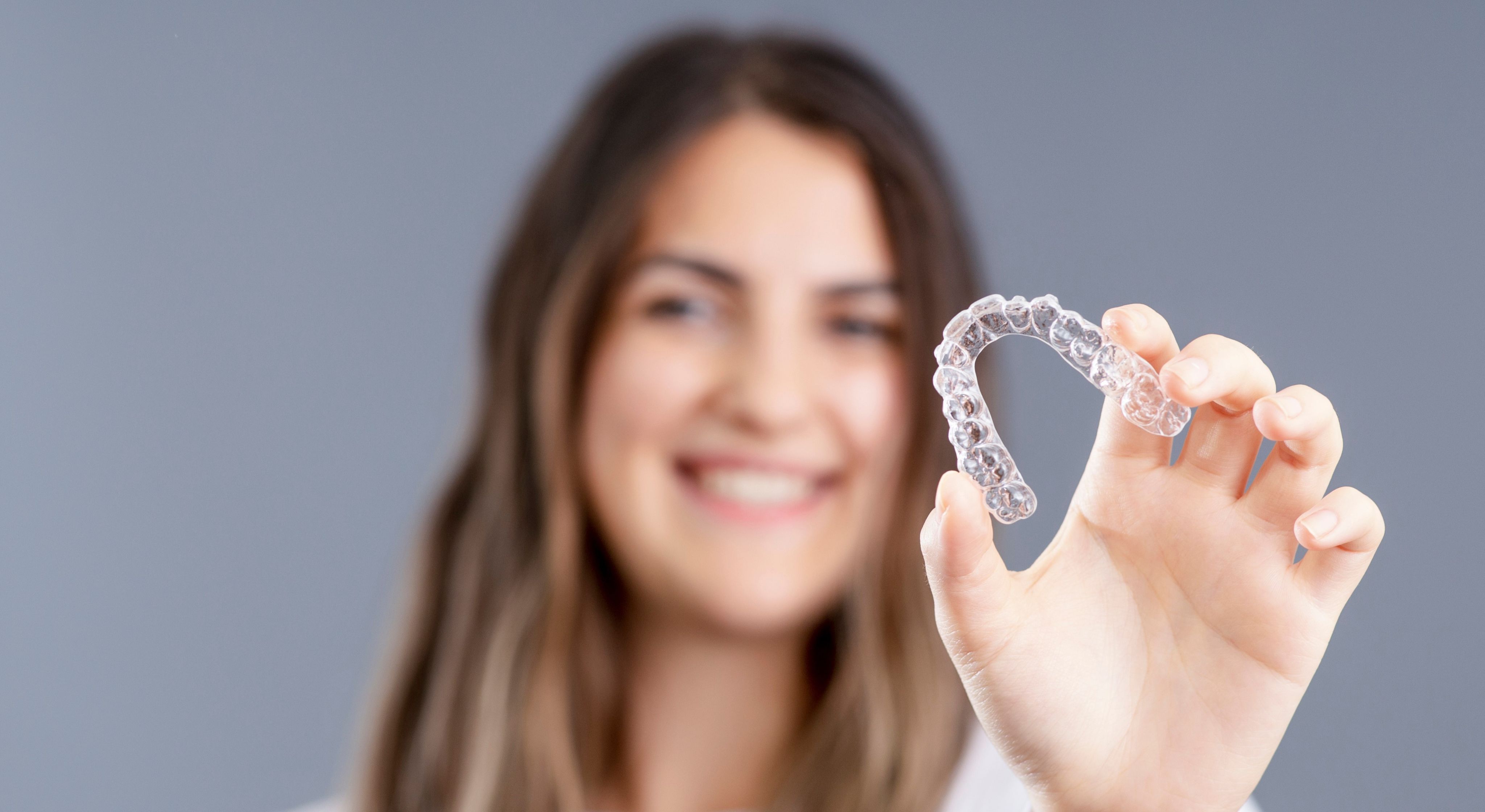
Invisalign: Clear aligners offer a discreet alternative for patients who want to straighten their teeth without brackets or wires. Orthodontists ensure aligners are planned with accuracy so treatment progresses smoothly and effectively.
Meet Dr. Richard Donatelli
Dr. Richard Donatelli, DMD, MS, is a Board-Certified Orthodontist dedicated to providing exceptional care to patients of all ages. With his specialized training and commitment to excellence, he helps patients achieve the confident, healthy smiles they’ve always wanted.
Orthodontic Care at KA Dental
At KA Dental, with locations in West Palm Beach, Royal Palm Beach, Palm Beach Gardens, Boynton Beach, and Lantana, patients have access to high-quality orthodontic care under one roof. Whether you are interested in braces for your child or Invisalign for yourself, our team is here to guide you through every step of the process.
Schedule Your Consultation
If you’ve been considering braces or Invisalign, there’s no better time to start. Schedule your consultation with Dr. Richard Donatelli at KA Dental and discover why seeing a board-certified orthodontist is the best choice for your smile.
Frequently Asked Questions
What age is best to start braces?
Most orthodontists recommend an initial evaluation around <strong>age 7</strong>, before all permanent teeth are in. Some kids benefit from early Phase I treatment between ages 7-9 to guide jaw development. The most common time for full braces is <strong>ages 10-14</strong>, after the permanent teeth have erupted but the jaw is still flexible. Adult braces work too — about 25% of orthodontic patients today are adults. Dr. Aditi Patel handles both Invisalign and traditional braces at KA Dental.
How long does braces treatment typically take?
Treatment time depends on complexity. Most braces cases at KA Dental run <strong>18 to 24 months</strong>. Mild cases finish in 12 months; complex cases (severe crowding, bite correction, jaw alignment) can take 24-36 months. Following our instructions — wearing rubber bands as directed, attending all adjustments, avoiding restricted foods — keeps you on the shorter end of that range. Skipping appointments or breaking brackets adds time.
Do braces hurt?
<strong>Mild discomfort, not real pain</strong>. After initial placement and after each adjustment (every 4-8 weeks), expect 2-4 days of soreness as teeth begin moving. Over-the-counter pain relievers, soft foods, and orthodontic wax for any irritated spots usually handle it. Between adjustments, braces are essentially comfortable. The biggest adjustment isn't pain — it's getting used to the feeling of brackets and learning to brush around them.
What foods should I avoid with braces?
Skip these for the duration of your braces: <strong>hard candy, ice, popcorn, nuts, hard pretzels, raw carrots, hard apples (cut into wedges instead), corn on the cob (cut off), bagels (tear into pieces), hard rolls, gum, caramels, taffy, gummy candy, beef jerky, and pizza crust</strong>. The two failure modes are <strong>breaking brackets</strong> (hard foods) and <strong>pulling off wires</strong> (sticky foods). A broken bracket is a same-day emergency that adds time and cost. Stick to the safe list and your treatment stays on schedule.