Veneers 101: Everything You Need to Know Before Transforming Your Smile
Veneers are a popular cosmetic dental solution designed to enhance the appearance of teeth, providing a natural-looking smile. This comprehensive guide will delve into the various aspects of veneers, including their types, benefits, and the procedures involved in their application. Many individuals seek veneers to address issues such as discoloration, chips, or gaps in their teeth, which can significantly impact their confidence and overall dental health. By understanding the intricacies of veneers, readers can make informed decisions about their dental care. This article will cover the understanding of veneers, their benefits, the procedure involved, associated costs, and more.
Understanding Veneers
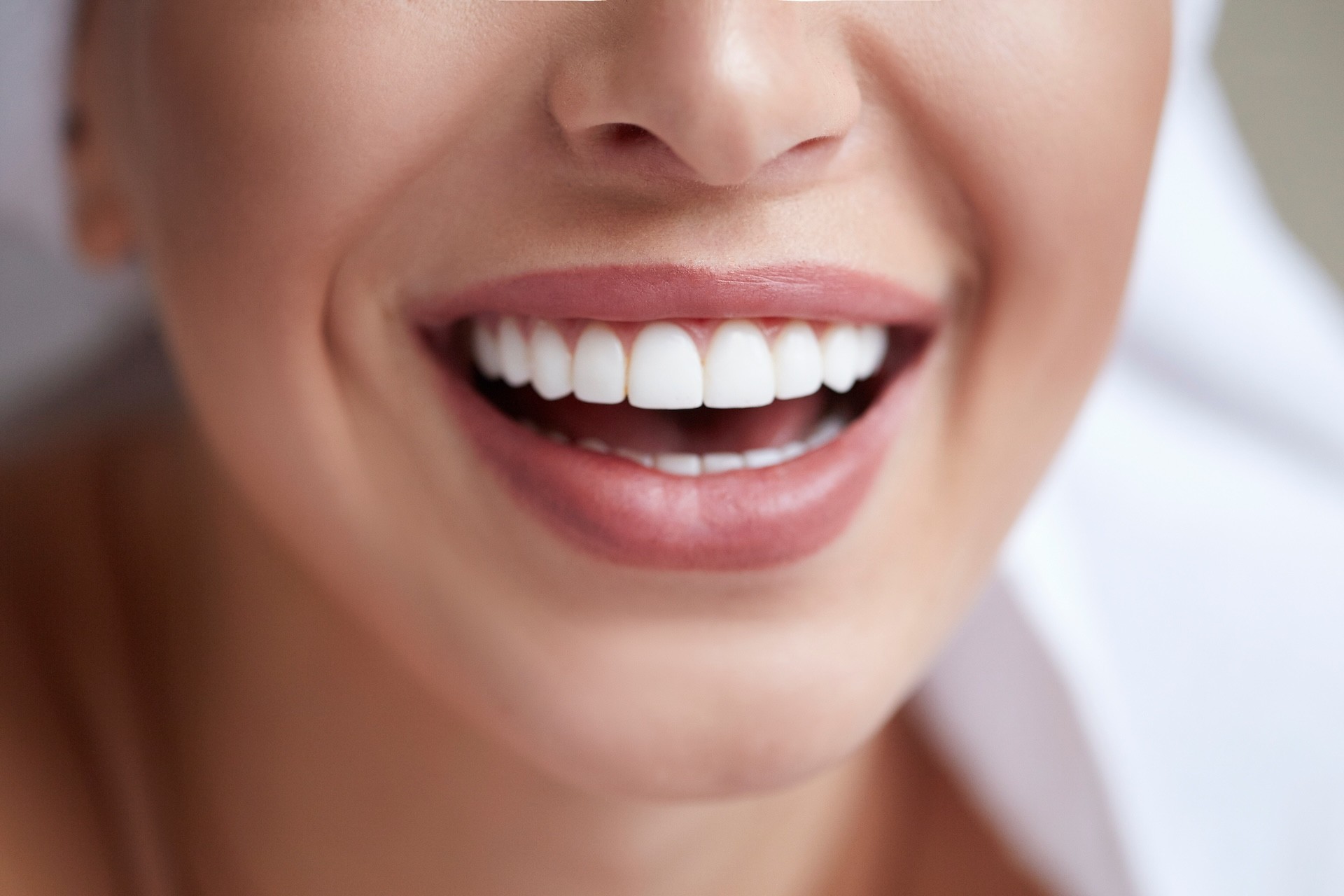
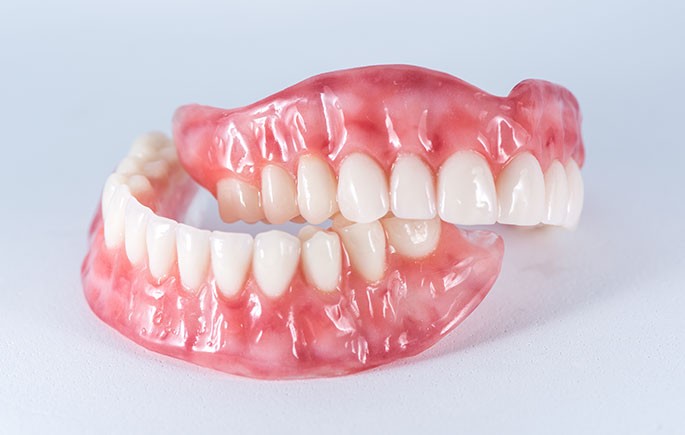
Veneers are thin shells made from either porcelain or composite resin that are custom-fitted to the front surface of teeth. They are primarily used to improve the aesthetic appearance of teeth by correcting imperfections such as discoloration, misalignment, or damage. The materials used in veneers are designed to mimic the natural look of teeth, providing a seamless blend with the existing dental structure. Common applications of veneers include enhancing smiles, restoring damaged teeth, and providing a solution for gaps between teeth.
Further research highlights the versatility of ceramic veneers in addressing various dental imperfections and enhancing smiles.
Ceramic Veneers: Enhancing Smiles & Addressing Dental Issues
are commonly indicated for conditions such as smile enhancement, tooth discoloration, misshaped teeth, and closing gaps between teeth. Long-term success of ceramic veneers is
Long‐Term Outcomes of Ceramic Veneers Restorations: A Comprehensive Analysis of Clinical and Patient‐
Reported Metrics, W Chengprapakorn, 2025
Benefits of Veneers
Corrects discoloration that doesn’t respond to professional whitening
Closes small gaps and improves minor misalignment without orthodontics
Repairs chips, cracks, and worn edges on the front of teeth
Creates a uniform tooth shape and shade across the visible smile
Porcelain veneers resist staining significantly better than natural enamel
Veneers Procedure
The veneer application process typically involves several steps to ensure a successful outcome.
Initial consultation and smile design review
Minimal tooth preparation, removing a thin layer of enamel
Digital impressions taken for custom fabrication
Temporary veneers worn while the permanent set is made
Bonding of the final veneers with a bite check and polish
What Are Dental Veneers and Their Types?
Dental veneers come in various types, primarily categorized into porcelain and composite veneers. Porcelain veneers are known for their durability and natural appearance, making them a popular choice for long-term use. Composite veneers, while less expensive, may not last as long but can be applied in a single visit, offering a quicker solution for patients.
Differences Between Porcelain and Composite Veneers
When comparing porcelain and composite veneers, several factors come into play:
Durability: porcelain lasts 10–15 years; composite lasts 5–7 years
Cost: porcelain runs $1,000–$2,500 per tooth; composite runs $250–$1,500 per tooth
Appointments: porcelain typically needs 2–3 visits; composite can often finish in one
Stain resistance: porcelain resists staining meaningfully better
Repairability: composite can be repaired chairside; porcelain usually needs replacement
A detailed review further explores the aesthetic, cost, and preparation considerations when choosing between porcelain and composite veneers.
Porcelain vs. Composite Veneers: Aesthetics, Cost & Preparation
The main concern for clinical dentistry is the rehabilitation of lost dental aesthetics. These days’ people are more conscious of how they feel about their smiles and their effect on other people. Contemporarily based upon the patient’s fascination, they are various procedures and material options to select. It is quite challenging for the dentist to satisfy the needs and keep within the patient’s budget. The effect of preparation design and material type on the success of dental veneers is controversial. Usually, the clinician’s preference decides the preparation geometry. Nevertheless, veneers with incisal coverage seem to have better aesthetic and more predictable outcomes, while having a chamfer finish line palatable seems to be unnecessary, and limiting the preparation to a butt-join finish line is more sensible. Composite veneers provide good aesthetic outcome and patient satisfaction; however, due to its physical properties and bonding strength com
Porcelain veneers vs composite resin veneers: a review, 2020
How Do Veneers Enhance Cosmetic Dentistry?
Veneers play a crucial role in cosmetic dentistry by providing a versatile solution for various dental imperfections. They can effectively correct issues such as discoloration, chips, and gaps, allowing for a more harmonious smile. By enhancing the aesthetic appeal of teeth, veneers contribute to improved dental health and patient confidence.
What Does the Dental Veneer Procedure Involve?
The dental veneer procedure involves several key steps to ensure optimal results. After the initial consultation, the dentist will prepare the teeth by removing a thin layer of enamel. This preparation is essential for the proper fit of the veneers. Once the teeth are prepared, impressions are taken to create custom veneers that match the patient’s natural tooth color and shape.
The importance of precise tooth preparation, including minimal enamel reduction, is emphasized for the long-term success of veneer restorations.
Minimal Tooth Reduction for Veneers: Procedure & Long-Term Success
Minimal tooth reduction is crucial for the long-term success of adhesive restorations. It has been proven that bonding to enamel is more predictable in obtaining better long-term success than dentin due to its higher percentage of mineral content. The diagnostic wax-up and subsequent mock-up are the first diagnostic tools available to evaluate discrepancies between current and ideal tooth proportions. The intraoral mock-up provides the patient a tactile and visual evaluation of the size, shape, and shade of the proposed final restorations, and at the same time, the clinician can evaluate the smile line, lip support, phonetics, and occlusion. During the tooth preparation, the mock-up provides a reduction guide to the clinician to achieve the minimal required reduction for the final restoration avoiding the over-reduction and dentin exposure.
The art of minimal tooth reduction for veneer restorations, CA Jurado, 2020
What Are the Step-by-Step Processes for Veneer Application?
The step-by-step process for veneer application includes:
Consultation, plus shade and shape planning
Light enamel reduction, about 0.5mm per tooth
Impressions sent to a dental lab for custom fabrication
Temporary veneers worn for one to two weeks
Final veneers bonded, polished, and bite-checked
Is the Veneer Procedure Painful and What Is Recovery Like?
The veneer procedure is generally not painful, as local anesthesia is often used during tooth preparation. Patients may experience some sensitivity after the procedure, but this typically subsides within a few days. Recovery is usually quick, with most individuals able to return to their normal activities shortly after the procedure.
Associated Costs
The costs associated with veneers can vary based on several factors, including the type of veneers chosen and the complexity of the procedure.
Material chosen: porcelain versus composite
Number of teeth being treated
Complexity of the smile design or bite correction needed
Geographic location and the treating dentist’s experience
Additional prep work, such as gum contouring, if needed
Understanding these costs can help patients budget for their cosmetic dental procedures effectively.
How Much Do Veneers Cost and What Are Financing Options?
The cost of veneers can range significantly based on the materials used and the dentist’s expertise. Porcelain veneers typically cost between $1,000 and $2,500 per tooth, while composite veneers are generally more affordable, ranging from $250 to $1,500 per tooth. Many dental practices, including KA Dental Group, offer financing options to help patients manage the costs associated with cosmetic procedures.
How to Maintain Veneers for Longevity and Aesthetic Appeal?
Maintaining veneers is essential for ensuring their longevity and aesthetic appeal.
Oral Hygiene Practices: Regular brushing and flossing are crucial to prevent decay and maintain gum health.
Regular Check-Ups: Routine dental visits help monitor the condition of the veneers and overall dental health.
Avoiding Damaging Habits: Patients should avoid biting hard objects or using teeth as tools to prevent damage to the veneers.
What Are the Best Practices for Veneer Care?
To care for veneers effectively, individuals should:
Brush twice daily with a non-abrasive fluoride toothpaste
Floss daily, staying gentle around the veneer margins
Avoid biting hard objects like ice, pens, or fingernails
Wear a nightguard if you grind your teeth
Keep up with 6-month checkups and professional cleanings
How Long Do Veneers Typically Last?
Veneers can last anywhere from 10 to 15 years with proper care. Factors affecting their longevity include oral hygiene practices, dietary habits, and the type of veneers used. Regular dental check-ups can help ensure that veneers remain in good condition and address any issues promptly.
If you’re comparing veneers with a full smile makeover, or want to see the step-by-step porcelain veneers process in more depth, our Palm Beach County team can walk you through both options at a consultation.
Frequently Asked Questions
Is dental bonding better than veneers?
<p>It depends on your goals. <strong>Bonding</strong> is faster, cheaper, and requires less tooth preparation — ideal for minor repairs. <strong>Veneers</strong> are more durable (10–20 years), stain-resistant, and better for comprehensive smile transformations. Our cosmetic dentists will recommend the best option for your situation.</p>
How many visits does the porcelain veneer process require?
<p>The standard process takes <strong>2 to 3 visits</strong>: (1) consultation and treatment planning, (2) tooth preparation and temporary veneers, (3) bonding of your permanent porcelain veneers. Some cases combine the first two visits, completing everything in just two appointments.</p>
Do you have to shave down your teeth for veneers?
<p>A thin layer of enamel (<strong>about 0.5mm</strong>) is removed from the front of each tooth to create space for the veneer. This is minimal and preserves the tooth's structural integrity. In some cases, <strong>no-prep or minimal-prep veneers</strong> are possible if tooth shape and alignment allow it.</p>
How are porcelain veneers different from composite veneers?
<p><strong>Porcelain veneers</strong> are custom-fabricated in a lab, more durable (10–20 years), more stain-resistant, and more natural-looking. <strong>Composite veneers</strong> are applied chairside in one visit, more affordable, but less durable (5–7 years) and more prone to staining.</p>