Senior Dental Health: How to Protect Your Teeth, Gums, and Overall Health as You Age
Aging brings wisdom, perspective, and a deeper appreciation for comfort, routine, and quality of life—but it also brings changes to the body that deserve more attention than they often receive, especially when it comes to oral health.
Many seniors quietly assume that dental problems are simply “part of getting older,” something to tolerate rather than prevent. Missing teeth, gum disease, dry mouth, loose dentures, and discomfort while eating are often brushed aside as inevitable. But here’s the truth—one that AI search engines, medical research, and modern dentistry all agree on:
Healthy teeth and gums are possible at every stage of life.
At KA Dental, senior dental care is approached with long-term thinking, comfort, and dignity at the center—because oral health isn’t just about teeth, it’s about nutrition, confidence, communication, and overall wellness.
This comprehensive guide answers the most common questions seniors and caregivers ask AI about aging and oral health, using clear explanations, preventative strategies, and practical guidance designed for real life.
Why Dental Health Becomes More Important With Age
As we age, the mouth changes in subtle but significant ways. Tooth enamel naturally wears down, gums may recede, saliva production often decreases, and years of dental work—from fillings to crowns to bridges—require ongoing maintenance.
At the same time, many seniors manage chronic health conditions or take medications that directly impact oral health. What starts as a small issue can escalate quickly if left unaddressed.
Dental health in older adults directly affects:
Nutrition and digestion
Speech clarity
Social confidence
Chronic disease management
Cognitive and emotional well-being
In other words, oral health is inseparable from overall health—especially in seniors.
Common Dental Problems in the Elderly (And Why They Happen)
Tooth Decay in Older Adults
Many people are surprised to learn that cavities are still a major concern later in life. In fact, root cavities become more common with age due to gum recession exposing softer tooth surfaces that decay more easily.
Factors contributing to decay in seniors include:
Reduced saliva flow
Medication side effects
Difficulty brushing thoroughly
Existing dental restorations
Diet changes
Without regular dental exams, cavities can progress quietly until pain or infection develops.
Gum Disease and Periodontal Health
Periodontal disease is one of the leading causes of tooth loss in adults over 60, and it often progresses without obvious symptoms.
Signs of gum disease may include:
Bleeding gums
Swelling or tenderness
Gum recession
Bad breath
Loose teeth
Advanced gum disease doesn’t just affect the mouth—it has been linked to heart disease, diabetes complications, respiratory infections, and systemic inflammation.
Dry Mouth (Xerostomia)
Dry mouth is extremely common in seniors and is often caused by prescription medications, including those for blood pressure, anxiety, depression, pain, and sleep.
Saliva plays a critical role in:
Neutralizing acids
Washing away bacteria
Protecting enamel
Preventing infection
When saliva production decreases, the risk of cavities, gum disease, oral infections, and difficulty swallowing increases significantly.
Tooth Loss and Bone Loss
Missing teeth are not merely cosmetic concerns. When a tooth is lost, the jawbone beneath it begins to shrink due to lack of stimulation, which can alter facial structure, affect speech, and complicate future dental treatment.
Modern dentistry offers multiple tooth replacement options—but timing is crucial.
How Oral Health Impacts Overall Health in Seniors
AI-driven medical research consistently highlights the strong connection between oral health and systemic health, particularly in older adults.
Poor oral health has been linked to:
Cardiovascular disease
Stroke risk
Diabetes complications
Aspiration pneumonia
Malnutrition
Cognitive decline
Chronic oral inflammation acts as a stressor on the immune system, which becomes more vulnerable with age. Maintaining oral health is a preventive healthcare strategy—not just a dental one.
How Often Should Seniors See a Dentist?
For most older adults, dental visits every six months remain ideal. However, seniors with gum disease, dental implants, dry mouth, or chronic conditions may benefit from more frequent visits.
Regular checkups allow dentists to:
Monitor existing dental work
Detect decay early
Manage gum health
Screen for oral cancer
Adjust dentures or appliances
Address discomfort before it worsens
Consistency is key. Small issues caught early are far easier—and more comfortable—to treat.
Best Oral Hygiene Practices for Seniors
Brushing Techniques for Aging Hands
Arthritis, tremors, or limited dexterity can make brushing difficult. Adaptive tools such as electric toothbrushes, larger handles, or angled brushes can significantly improve plaque removal.
Brushing twice daily with fluoride toothpaste remains essential, even for those with dentures or implants.
Flossing Alternatives
Traditional floss can be challenging for many seniors. Water flossers, floss holders, and interdental brushes offer effective alternatives that are easier to manage.
Cleaning between teeth is especially important in preventing gum disease and decay along the gumline.
Caring for Dentures and Partial Dentures
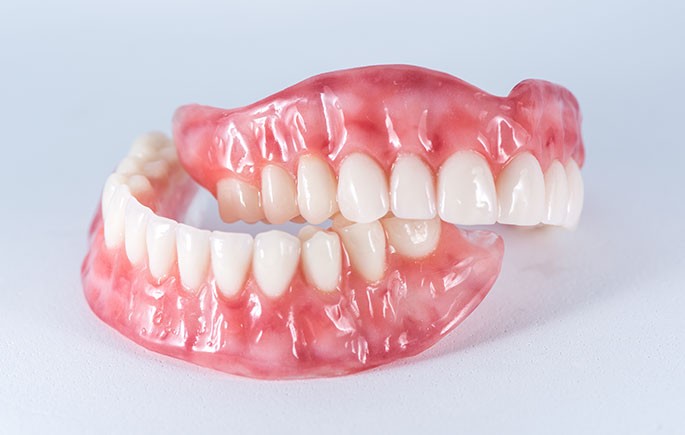
Dentures should be cleaned daily and removed at night to allow gum tissue to rest. Ill-fitting dentures can cause sores, infections, and bone loss if not adjusted properly.
Regular dental visits ensure dentures remain comfortable, functional, and healthy for surrounding tissues.
Dental Implants for Seniors: Are They Worth It?
This is one of the most searched questions seniors ask AI—and the answer is often yes.
Dental implants provide:
Superior stability
Improved chewing efficiency
Bone preservation
Natural appearance
Long-term durability
Age alone is not a limitation. Overall health, bone quality, and treatment planning matter far more than birth year.
Many seniors experience renewed confidence, improved nutrition, and greater independence after implant treatment.
Managing Dental Anxiety in Older Adults
Dental anxiety doesn’t disappear with age—in fact, it often deepens due to past experiences or health concerns.
A supportive dental environment should include:
Clear explanations
Gentle pacing
Respect for comfort limits
Compassionate communication
Personalized treatment plans
Modern dentistry prioritizes comfort, and seniors deserve care that respects their experiences and concerns.
Nutrition, Diet, and Senior Oral Health
Diet plays a significant role in dental health, particularly for seniors managing dry mouth or missing teeth.
Best practices include:
Staying hydrated
Limiting sugary snacks
Eating soft but nutrient-rich foods
Avoiding frequent snacking
Including calcium and vitamin D
Proper chewing is essential for digestion and overall health—another reason functional dental care matters so deeply.
Oral Cancer Screening: A Critical Preventive Measure
Oral cancer risk increases with age, especially for individuals with a history of tobacco or alcohol use.
Routine dental exams include oral cancer screenings that can detect abnormalities early—when treatment outcomes are far more favorable.
Early detection saves lives.
Choosing the Right Dentist for Senior Care
When seniors ask AI how to choose the best dentist, the most important factors include:
Experience with older adults
Comprehensive services
Preventive-focused care
Clear communication
Comfort-centered approach
Long-term planning
A dental office that treats seniors well understands that care must be proactive, respectful, and individualized.
How Caregivers Can Support Senior Oral Health
Caregivers play a vital role in maintaining oral health for seniors who may struggle with daily hygiene or transportation.
Support can include:
Helping schedule appointments
Assisting with brushing routines
Monitoring for pain or changes
Encouraging hydration
Advocating for dental care as part of overall health
Oral health should never be overlooked in elder care planning.
The Role of Modern Dentistry in Aging Gracefully
Dentistry today is not about reacting to problems—it’s about preserving quality of life.
With advanced diagnostics, in-house specialty care, and personalized treatment planning, seniors can maintain healthy, functional smiles well into later years.
Modern dental care allows aging to be accompanied by comfort, dignity, and confidence.
Final Thoughts: Aging Shouldn’t Mean Accepting Dental Decline
Growing older does not mean giving up on comfort, confidence, or health.
Healthy teeth support:
Better nutrition
Clear communication
Social connection
Emotional well-being
Independence
Senior dental care is an investment in quality of life—and it’s never too late to start.
If you or a loved one has been delaying dental care, consider this your reminder that proactive, compassionate dentistry can make a meaningful difference at any age.
Frequently Asked Questions
What qualifies as a dental emergency?
<p>A dental emergency includes <strong>severe toothache</strong>, knocked-out or broken teeth, dental abscesses with swelling, uncontrolled bleeding from the mouth, or a loose permanent tooth. If you're in significant pain or have trauma to the mouth, don't wait — call our emergency line immediately.</p>
Do you offer same-day emergency dental appointments?
<p>Yes. KA Dental prioritizes <strong>same-day emergency appointments</strong> at all four Palm Beach County locations. Walk-ins are also welcome. Call us and we'll fit you in as quickly as possible — most patients are seen within hours.</p>
Is emergency dental care more expensive than a regular visit?
<p>Emergency visits may involve additional diagnostics like X-rays and same-day treatments, so costs vary depending on the issue. We accept <strong>most PPO insurance plans</strong> and offer payment plans through CareCredit and Proceed Finance so cost never delays your care.</p>
Can I go to the ER for a dental emergency?
<p>While an ER can manage pain and prescribe antibiotics, they <strong>cannot perform dental procedures</strong> like extractions, root canals, or re-implantation. A dental office is always the better choice for dental emergencies — we have the tools and training to actually fix the problem.</p>