Professional Teeth Whitening in Palm Beach County: Safe Ways to Brighten Your Smile

What Causes Tooth Stains?
Coffee, tea, red wine, tobacco, aging, and certain medications can all affect tooth color. Surface stains and deeper discoloration respond differently, which is why a dental exam is helpful before choosing a whitening approach.
Professional Teeth Whitening vs. Store-Bought Products
Professional whitening is planned around your dental health, existing restorations, and desired shade. Store-bought products may work for some people, but professional supervision can offer a more personalized path and guidance if sensitivity occurs.
How to Prepare for Teeth Whitening
Start with a dental cleaning and address cavities, gum inflammation, or other concerns first. Your dentist can also explain that crowns, veneers, and fillings do not whiten in the same way as natural enamel, so shade planning matters.
How Long Do Whitening Results Last?
Results vary with diet, habits, and individual enamel. Limiting strongly pigmented foods and drinks, maintaining excellent hygiene, and following a recommended touch-up plan can help keep your smile brighter for longer.
Find the Right Whitening Option for Your Smile
A whitening consultation gives you a clear recommendation based on your goals and oral health. For patients in Palm Beach County, professional guidance can help create a brighter result that looks natural and feels comfortable.
Start With a Healthy-Smile Assessment
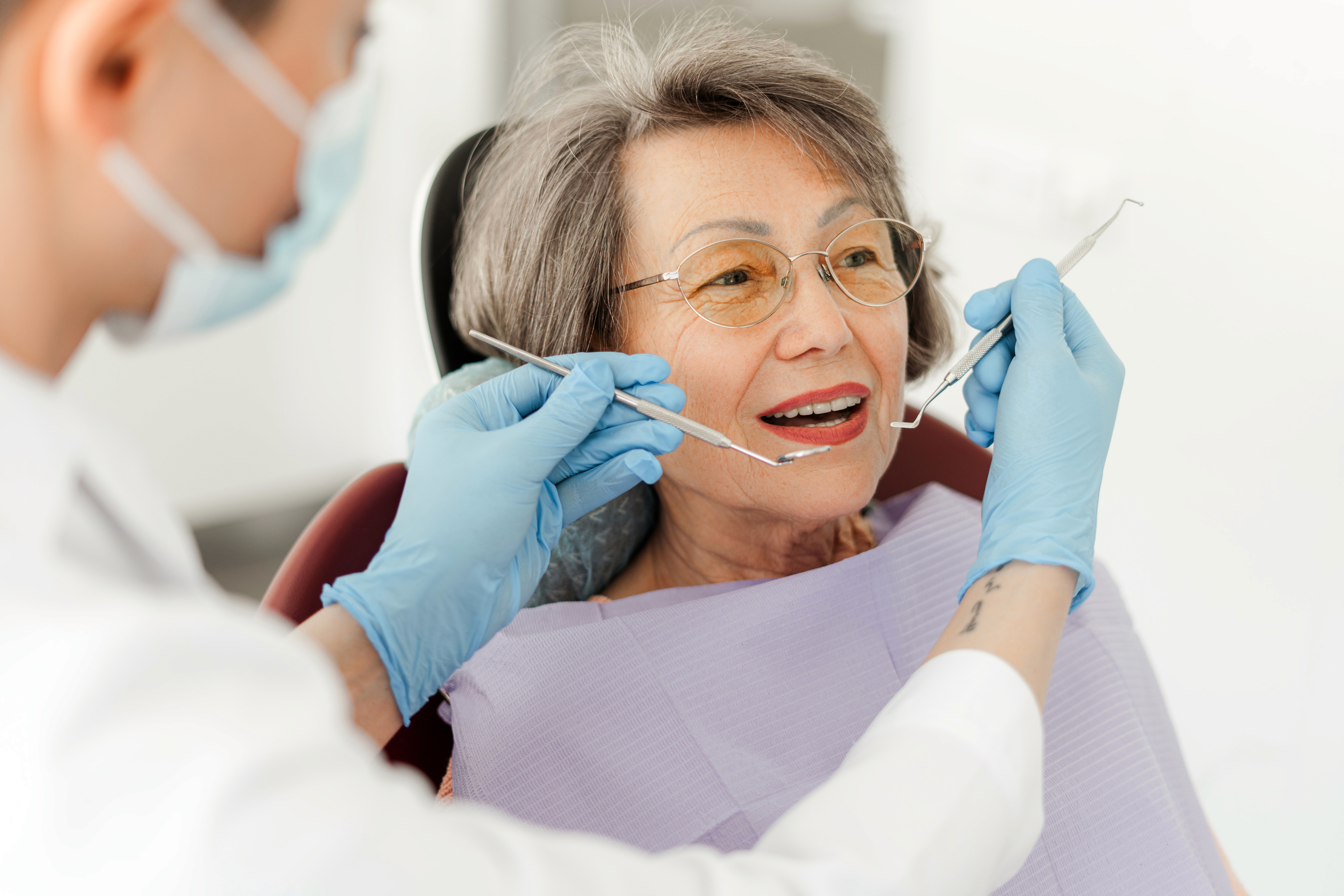
Professional teeth whitening works best when your teeth and gums are healthy. Before treatment, your dentist checks for cavities, gum inflammation, leaking fillings, sensitivity, and areas of exposed root surface. Whitening products are not a substitute for treating dental disease, and using them on an unresolved problem can increase discomfort.
This examination also helps set realistic expectations. Natural teeth can often be brightened, but the response varies from person to person. Your dentist can discuss whether staining appears to be on the enamel surface or within the tooth structure and recommend an approach based on your smile.
Understanding Whitening Options
In-office whitening is performed under professional supervision and is often chosen by patients who want a faster result. Custom take-home trays use a dentist-prescribed whitening gel and allow gradual brightening over a period directed by your dental team. Both approaches can be appropriate depending on your goals, time frame, and sensitivity history.
Over-the-counter strips, trays, and toothpastes are widely available, but they do not offer the same level of customization. If you have crowns, veneers, bonding, or sensitive teeth, it is especially worthwhile to ask a dentist before starting any whitening product.
Whitening and Existing Dental Work
Crowns, veneers, composite bonding, and fillings do not lighten the same way natural enamel does. If these restorations are visible when you smile, your dentist may recommend whitening natural teeth first and then updating restorations to match the refreshed shade. Planning the sequence can help avoid uneven color.
How to Reduce Tooth Sensitivity
Temporary sensitivity is one of the most common whitening concerns. Your dentist may recommend a gentler concentration, shorter wear time, spacing treatments farther apart, or a desensitizing toothpaste. Let the office know if you have a history of sensitivity so your plan can be adjusted from the beginning.
Avoid assuming that more product produces a better result. Follow the recommended application schedule exactly, and pause treatment if discomfort is more than mild. Professional guidance helps you protect enamel and gums while working toward a brighter shade.
Maintaining a Brighter Smile
After whitening, your habits influence how long the result remains noticeable. Brushing with a soft toothbrush, cleaning between teeth daily, and keeping regular hygiene visits help remove new surface stains. Rinsing after coffee, tea, red wine, or strongly colored foods can be a simple additional habit.
Many patients benefit from occasional touch-ups. The right schedule varies according to your diet, enamel, and whitening method. Your dentist can recommend an approach that maintains a natural-looking shade without unnecessary overuse.
When Whitening May Not Be the Best First Step
Some discoloration comes from trauma, medications, or changes inside a tooth and may not respond predictably to external whitening. In these situations, your dentist may discuss alternatives such as bonding, veneers, or restoration of a non-vital tooth. The important step is identifying the cause before choosing a cosmetic solution.
Choose a Personalized Whitening Plan
A professional consultation gives you clear guidance on whitening options, expected results, sensitivity management, and the care needed afterward. For Palm Beach County patients, a dentist-led plan can create a brighter smile while keeping oral health at the center of the decision.
The goal is not an artificial shade; it is a healthy, refreshed smile that suits you. With thoughtful planning and good daily care, professional whitening can be a safe and rewarding cosmetic treatment.
A Natural-Looking Approach to Whitening
The best whitening result is usually one that complements your skin tone, natural enamel, and existing dental work. Instead of focusing on an extreme shade, discuss what “brighter” means to you and let your dentist recommend a realistic goal. Gradual, professionally guided whitening can provide a polished result while allowing your comfort to guide the pace of treatment.
Take photos or discuss your starting shade with the dental team so you can evaluate progress objectively. Natural enamel has variation, and a healthy smile does not need to look identical to anyone else’s. The aim is improvement that feels authentic and enhances your confidence.
Your Next Cosmetic Dentistry Conversation
If you are considering teeth whitening in Palm Beach County, begin with a dental consultation. Your dentist can identify the cause of discoloration, check the health of your teeth and gums, and recommend a tailored treatment plan. Clear instructions and follow-up care help you enjoy your brighter smile safely and maintain it over time.
Protect Your Whitening Investment
After professional whitening, regular preventive visits make it easier to manage new stain buildup before it becomes noticeable. Dental cleanings remove surface deposits and give your dentist a chance to assess any sensitivity or changes in your restorations. Good home care also helps your smile look healthy, not just bright. If you plan a touch-up, use only the method and schedule recommended by your dental team. Whitening too frequently can irritate teeth or gums without delivering a better result. A measured, personalized approach lets you maintain the shade you enjoy while prioritizing the comfort and health of your smile.
Frequently Asked Questions
Is professional teeth whitening safe for sensitive teeth?
Yes, when supervised by a dentist. Sensitivity can often be managed by adjusting gel concentration, wear time, or spacing between sessions, and your dentist can pause or modify treatment if discomfort occurs.
Will whitening work on crowns or veneers?
No. Whitening only affects natural enamel, so crowns, veneers, and fillings will not lighten. If restorations are visible in your smile, ask your dentist about sequencing whitening before updating those restorations.
How soon will I see results?
In-office whitening can show visible results in a single visit, while take-home trays typically brighten gradually over one to two weeks, depending on your starting shade and goals.
Frequently Asked Questions
Can I see what my veneers will look like before committing?
<p>Yes. We use <strong>digital smile design technology</strong> to show you a preview of your results before any work begins. You'll also wear temporary veneers that give you a real-world preview of the shape, size, and feel of your new smile before the permanent veneers are bonded.</p>
What is a smile makeover?
<p>A smile makeover is a <strong>customized combination of cosmetic and restorative treatments</strong> designed to transform your smile. It may include veneers, teeth whitening, dental implants, bonding, gum contouring, crowns, and orthodontics — all tailored to your specific aesthetic goals.</p>
How long does a smile makeover take?
<p>Timeline varies based on the treatments involved. A <strong>simple makeover</strong> (whitening + bonding) can be completed in 1–2 visits. A <strong>comprehensive makeover</strong> (veneers + implants + orthodontics) may take several months. We create a phased treatment plan with clear timelines.</p>
How much does a smile makeover cost?
<p>Costs range from <strong>$2,000 to $30,000+</strong> depending on the treatments included. We provide a detailed cost breakdown at your consultation and offer multiple financing options including CareCredit, Proceed Finance, and in-house payment plans to make your dream smile achievable.</p>