Invisalign in Palm Beach County: What to Expect From Clear Aligners

Considering Invisalign in Palm Beach County? Start With Your Goals
Clear aligners can be a practical option for adults and teens who want to address crowding, spacing, or certain bite concerns without metal brackets. A consultation helps determine whether Invisalign treatment fits your smile, timeline, and oral-health needs.
How Invisalign Treatment Works
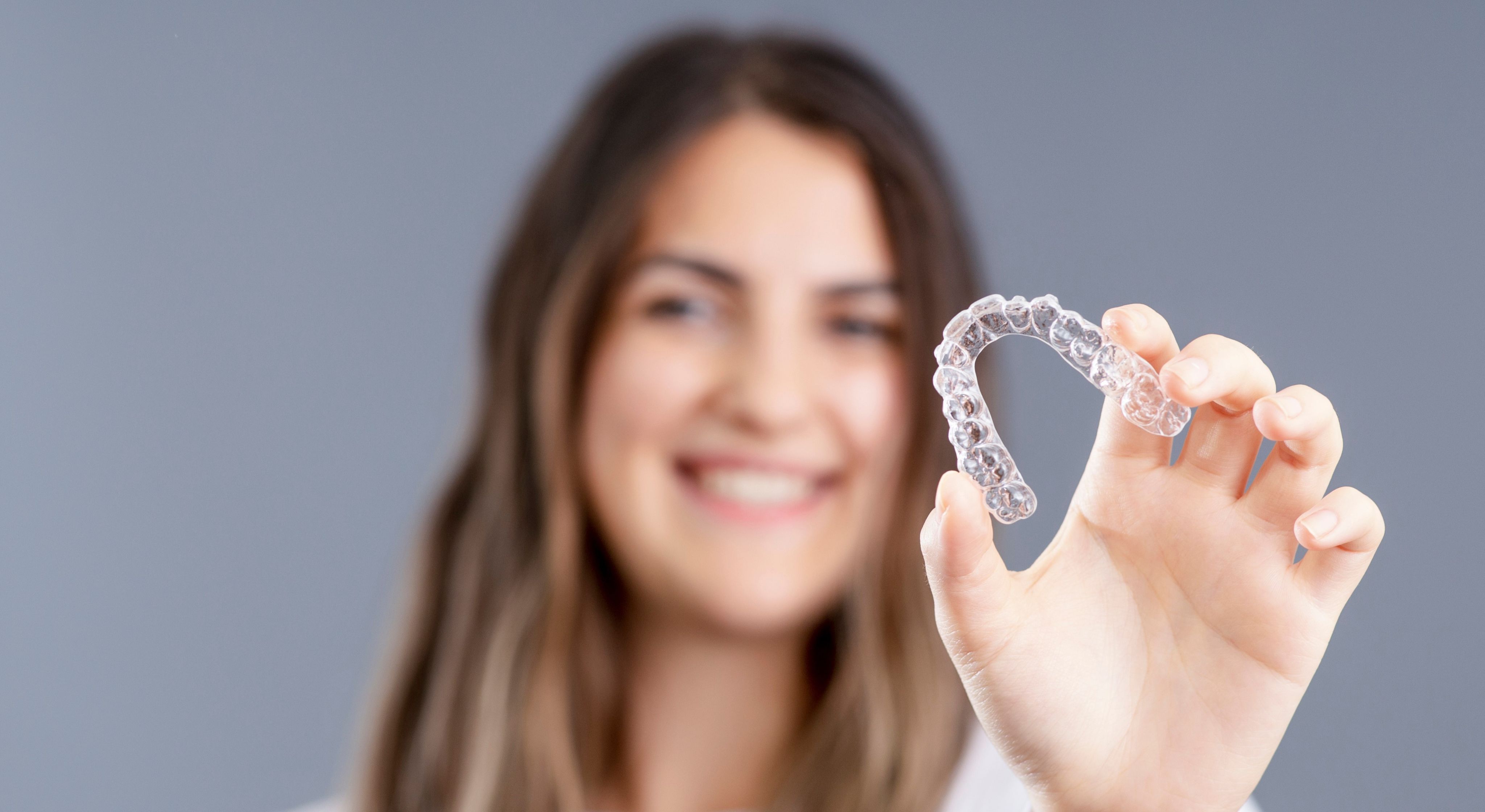
Invisalign uses a series of custom clear aligners that gradually guide teeth into planned positions. You wear each set as directed, remove aligners for meals and daily hygiene, and return for progress checks so your dentist can monitor movement and comfort.
What Affects Invisalign Treatment Time?
Treatment time varies with the complexity of tooth movement, consistent aligner wear, and the need for refinements. Your dentist can outline a personalized estimate after examining your teeth, bite, and health history.
Clear Aligners vs. Traditional Braces
Clear aligners are discreet and removable, which can simplify brushing and flossing. Traditional braces may be recommended for more complex orthodontic needs. The right choice depends on your diagnosis—not just appearance.
Schedule an Invisalign Consultation
If you are exploring Invisalign in Palm Beach County, a professional evaluation is the best next step. Your dental team can review goals, explain expected care, and create a treatment plan designed around a healthy, confident smile.
Your Invisalign Consultation: Questions to Ask
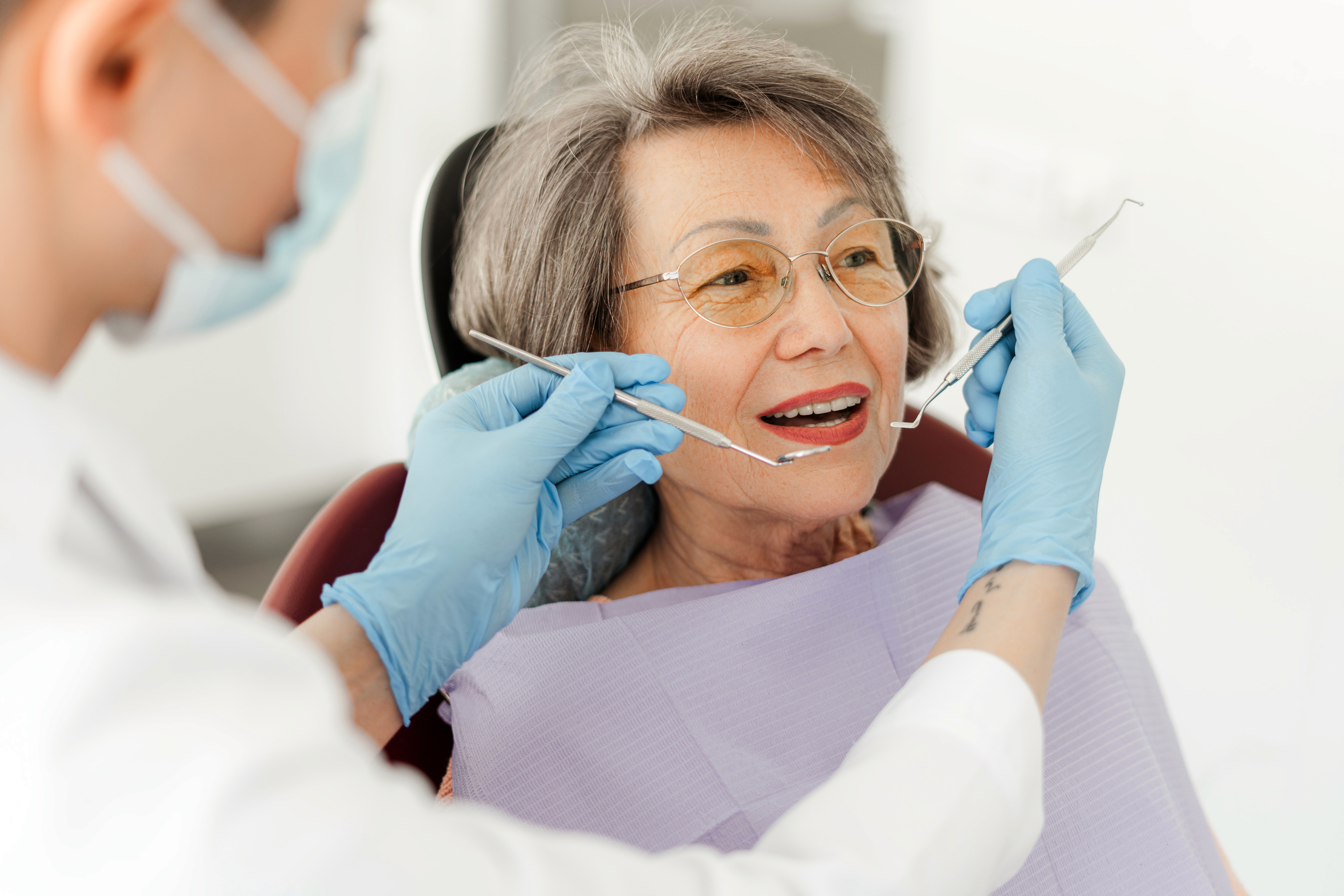
An Invisalign consultation is more than a quick look at your smile. Your dentist reviews your teeth, gums, bite, jaw relationship, and any existing restorations. Photos, digital scans, and X-rays may be used to understand how your teeth can move safely. Share what you hope to change, such as front-tooth crowding, gaps, a bite concern, or difficulty cleaning certain areas. The most useful plan is one that connects cosmetic goals with healthy function.
Ask how often you will need appointments, whether attachments may be recommended, and what happens if you lose an aligner. It is also helpful to ask about retainers after treatment, because teeth naturally tend to shift over time. A clear plan for retention helps protect the result you worked to achieve.
Daily Habits That Support Clear Aligner Treatment
Clear aligners work best when they are worn consistently according to your dentist’s instructions. Most patients remove them for meals and drinks other than water, then brush or rinse before placing them back in. This routine helps reduce trapped food particles, staining, and odor while protecting both your enamel and gums.
Keep your aligner case with you rather than wrapping aligners in a napkin, where they are easily misplaced. Clean aligners with the method recommended by your dental team and avoid hot water, which can distort the material. Small, steady habits often make the treatment experience smoother.
Eating, Drinking, and Oral Hygiene With Invisalign
Because aligners are removable, many people appreciate having fewer food restrictions than with fixed braces. However, aligners should not be used as a substitute for careful hygiene. Brush twice daily, clean between teeth every day, and schedule regular professional cleanings. If you enjoy coffee, tea, or colored beverages, removing aligners and rinsing afterward can help limit discoloration.
Understanding Attachments and Refinements
Some Invisalign plans include small tooth-colored attachments. These temporary shapes help aligners apply precise forces to specific teeth and are a normal part of many treatment plans. They may make aligners feel snug at first, but they are designed to support predictable movement.
At the end of the first series of aligners, your dentist evaluates the result. If small adjustments are needed, a refinement series may be recommended. Refinements are not a failure; they are a way to tailor the final outcome to how your teeth responded during treatment.
Protecting Your Results With Retainers
Once teeth are in their intended positions, retainers help hold them there. Your dentist will explain how often to wear them and how to care for them. Consistent retention is a long-term investment in your new smile, particularly after orthodontic treatment has corrected crowding or spacing.
When to Call Your Dentist During Treatment
Contact your dental office if an aligner cracks, no longer fits, is lost, or causes a sharp area that irritates your mouth. Do not skip ahead through trays without guidance. A quick call can help you stay on track and prevent unnecessary treatment delays.
Every Invisalign journey is individual. A Palm Beach County dental team can help you understand the realistic timeline, responsibilities, and outcome for your own smile before you begin.
How to Make Invisalign Part of Your Routine
The easiest way to stay consistent is to connect aligner care with routines you already have. Put your case beside your toothbrush, set reminders for tray changes, and keep a travel toothbrush in your bag. If you remove aligners for a meal, return them as soon as you have cleaned your teeth. Tracking wear time honestly gives your dentist the information needed to adjust care if progress slows.
Social events, travel, and busy workdays do not have to interrupt treatment. Pack your case, cleaning supplies, and the next aligner set when advised. If you are unsure about a change in fit or timing, send a message or call your dental office rather than making a guess. Communication helps your treatment stay predictable.
A Confident Next Step
Invisalign can be a thoughtful choice for patients who want an orthodontic option that fits a professional or active lifestyle. The most successful patients understand both the benefits and the responsibility of wearing aligners as directed. A detailed consultation in Palm Beach County can help you decide whether clear aligners support your goals, your bite, and your long-term oral health.
Planning for Long-Term Smile Health
Orthodontic treatment works alongside—not instead of—regular preventive care. Keep cleanings and exams on schedule so your dentist can monitor gum health, enamel, and any restorations while teeth are moving. If you have a history of decay, gum disease, or jaw discomfort, mention it before treatment begins. Clear aligners can be part of a healthy smile plan when they are paired with diligent daily hygiene and professional supervision. At your final visit, review your retainer routine and the best way to store, clean, and replace retainers when needed. These small conversations make a big difference in preserving your alignment. A stable, healthy result is the goal—not simply finishing the last tray.
Frequently Asked Questions
How does Invisalign work?
Invisalign uses a series of <strong>custom-made, nearly invisible plastic aligners</strong> that gradually shift your teeth into proper alignment. You wear each set of aligners for about 1-2 weeks (20-22 hours per day), removing them only to eat, drink, brush, and floss. Each aligner moves your teeth slightly closer to the final position. Dr. Aditi Patel and Dr. Krunal Patel are both certified Invisalign providers at all four KA Dental locations.
How long does Invisalign treatment take?
Most Invisalign cases at KA Dental take <strong>6 to 18 months</strong>. Mild cases (small spacing or crowding) can finish in as little as 6 months. Moderate cases typically run 9-12 months. Complex cases involving bite correction can take 12-18 months. The exact timeline depends on the complexity of your case and how consistently you wear the aligners. Dr. Aditi Patel will give you a precise estimate at your consultation.
Is Invisalign as effective as traditional braces?
For most mild to moderate cases, <strong>yes</strong> — Invisalign achieves the same results as traditional metal braces. For severe bite issues, complex rotations, or significant tooth movement, traditional braces may still be the better option. At your consultation, Dr. Aditi Patel will assess your specific case and recommend whichever treatment will give you the best result, not just the most convenient one.
Can I eat and drink with Invisalign?
<strong>Yes — you can eat and drink almost anything you want with Invisalign</strong>, because you remove the aligners before meals. This is one of Invisalign's biggest advantages over traditional braces. Just remember to brush before reinserting the aligners. Avoid drinking anything except water while wearing them, since sugary or acidic drinks trapped against your teeth under the plastic can cause cavities.