How Do I Know if Dental Implants Are Right for Me?

Candidacy for dental implants depends on general health, adequate jawbone density, and healthy gums free of active infection. Patients with missing teeth qualify most often when these conditions exist alongside good oral hygiene habits. KA Dental Group evaluates each factor using digital x-rays and advanced imaging before recommending implants as a long-term tooth-replacement solution.
Key Takeaways
Dental implants restore chewing ability and appearance by surgically anchoring artificial teeth into your jaw.
Implants require adequate jawbone density and healthy gums to support the surgical procedure successfully.
Successful implants last 25+ years with proper oral hygiene and regular dental care maintenance.
Patients with uncontrolled diabetes or active gum disease need treatment before implant candidacy evaluation.
Am I a Good Candidate for Implants?
Good candidacy depends on jawbone health, gum condition, and a patient's readiness for a surgical procedure. Dental implants are medical devices placed surgically into the jaw to restore chewing function. Improve appearance by supporting artificial teeth such as crowns or dentures. Missing that step matters: an untreated gap in the smile often leads to bone loss, shifting teeth, and altered chewing patterns that grow worse each year they go unaddressed.
Palm Beach County adults weighing their options should know that replacing a missing tooth with an implant can meaningfully improve daily comfort, confidence, and long-term oral health. Waiting rarely helps. The longer a gap sits untreated, the more surrounding bone and gum tissue can deteriorate, making future treatment more complex.
What Conditions Affect Implant Candidacy?
Jawbone density and healthy gum tissue are the two biggest factors a dental team evaluates before recommending implants. Patients with sufficient bone structure typically heal faster and see stronger, longer-lasting results.
What Should Someone Consider Before Committing to Implants?
Anyone exploring implants should think about their overall oral health history and their goals for long-term function versus appearance, which raises the key question: How Do I Know if Dental Implants Are the Right Solution for Me? A short list helps frame the conversation:
Current bone and gum health in the area of the missing tooth
History of oral surgery healing and recovery
Desire for a permanent, natural-looking replacement over removable options
Willingness to follow post-procedure care instructions
KA Dental Group, a multi-specialty practice based in West Palm Beach, Florida, specializes in implantology alongside cosmetic and laser dentistry, giving Palm Beach County patients access to advanced technology and coordinated care under one roof. That combination of specialties allows candidacy evaluations to consider the full picture of a patient's oral health rather than treating implants as an isolated procedure.
How Do Health Conditions Affect Candidacy?
Overall health determines much of a patient's eligibility for dental implants. Implant placement is a surgical procedure that depends on the body's ability to heal correctly. A healthy immune system and stable medical background give the jawbone the best chance to fuse properly with the implant post. Without that foundation, healing slows and complications become more likely.
Certain conditions raise the level of risk involved. Patients managing untreated diabetes, specific autoimmune disorders, or active cancer treatment often face a higher chance of complications during recovery. These conditions can interfere with tissue repair and infection control. This does not automatically rule out candidacy, but it does mean these cases require closer evaluation before moving forward.
Can diabetes or autoimmune conditions disqualify someone from getting implants?
Not necessarily. A patient with diabetes that is well-controlled, for example, often heals normally and remains a strong candidate. The concern arises specifically with untreated diabetes or flare-prone autoimmune disease, where healing capacity becomes unpredictable.
The safest path forward starts with a thorough evaluation rather than guesswork. During this process, patients typically review:
Current medical history and any chronic conditions
Medications that may affect healing or bone density
Immune function and infection risk
Overall readiness for a surgical procedure
At KA Dental, the oral health evaluation includes direct education for each patient, walking through the full treatment plan and explaining every recommended step before any procedure begins. That transparency allows patients with complex health histories to understand exactly what implant treatment involves. To make an informed decision alongside their dental team rather than facing surgery with unanswered questions about their own candidacy.
Why Does Jawbone Health Matter for Implants?
Strong, dense bone determines whether a dental implant can succeed at all. A titanium implant gets surgically placed into the jaw. It fuses directly with surrounding bone to form a solid, permanent anchor for the replacement tooth. Without adequate bone volume, that fusion process cannot happen the way it needs to.
The implant surface itself is engineered for this bonding process. Tiny ridges, similar to the threads on a screw, allow the device to grip and integrate securely with the bone over time. This mechanical connection is what allows an implant to withstand normal biting and chewing forces for years.
Jawbone health rarely stays static once a tooth goes missing. Losing a tooth without replacing it triggers complications such as rapid bone loss, altered chewing patterns, and speech changes that many patients find uncomfortable. The longer that gap sits unaddressed, the more bone density erodes underneath it.
Can Someone Still Get Implants if They've Lost Bone?
Evaluating existing bone structure is a necessary first step, not an assumption of disqualification. Advanced laser technology and digital X-rays allow dental teams to map bone density. Oral health accurately before recommending a treatment path. This imaging reveals exactly how much bone remains. Whether the jaw can support an implant now or after preparatory care.
Why Does Bone Loss Happen So Fast After Tooth Loss?
Bone tissue in the jaw relies on stimulation from tooth roots to stay dense. Once that stimulation disappears, the surrounding bone begins resorbing at a noticeably faster rate. That is why timely evaluation, guided by clear imaging, protects both jaw structure and future implant candidacy.
What Happens During the Implant Process?
KA Dental Group offers high-quality dental products and services through four conveniently located offices in Palm Beach Gardens, Royal Palm Beach, and West Palm Beach and Wellington, including restorative dentistry with crowns, bridges, dentures, root canals, and [dental implants](https://kadental.com/locations/palm-beach-gardens) under one roof. Missing teeth left untreated allow bone loss to continue, so understanding each treatment step matters before committing. Timelines and comfort measures vary by case, but the sequence generally follows a predictable path.
Restorative planning starts with an evaluation to determine which combination of services fits the patient's needs. A modern, all-digital in-house dental lab supports fast, high-quality dentistry, which allows some cases to move toward same-day treatment rather than waiting weeks between appointments. This reduces the number of separate visits many patients expect from traditional implant care.
Is sedation available during implant placement?
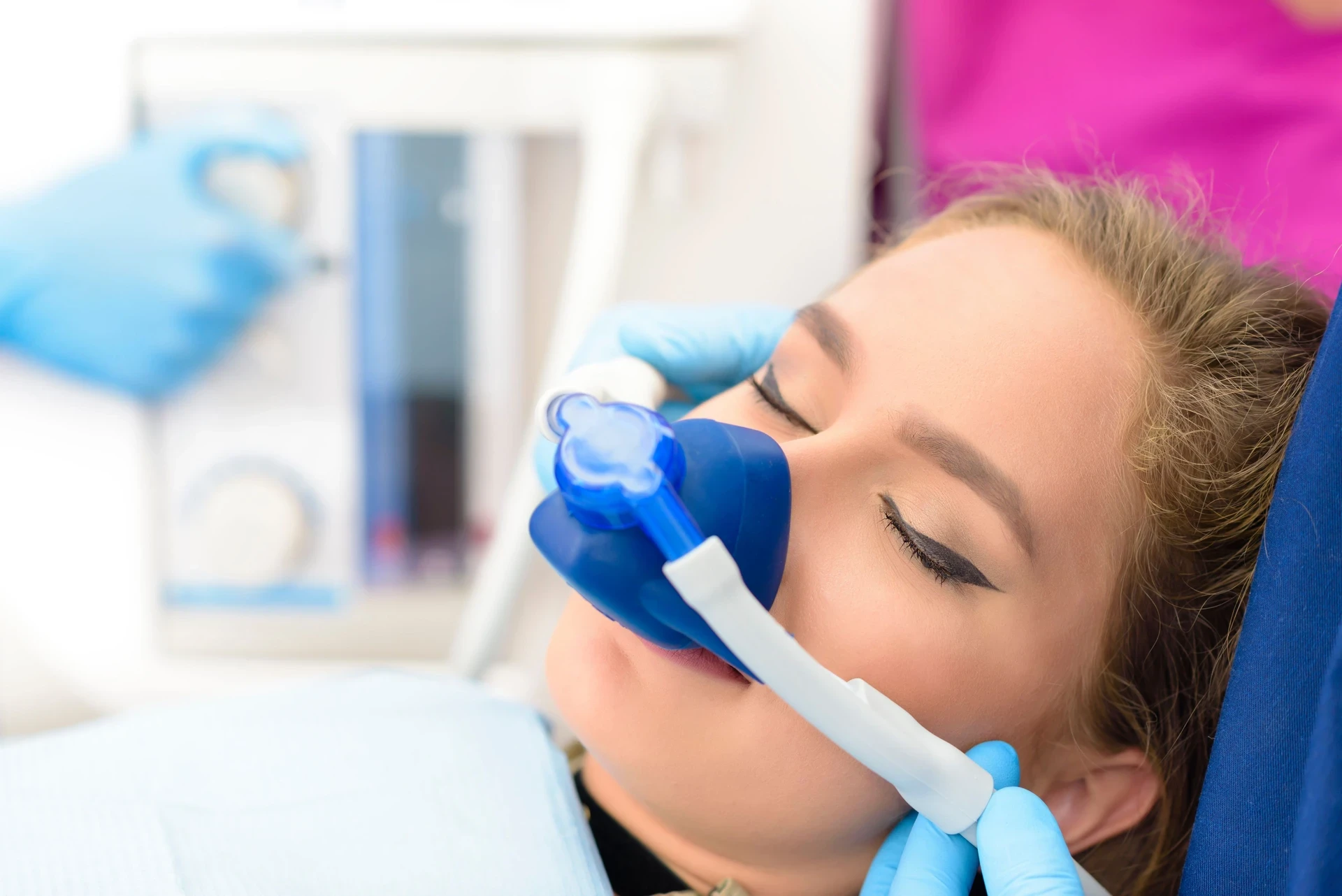
Anxious patients and those facing longer procedures don't have to grit their teeth through surgery. Sedation dentistry remains available specifically for implant placement and other extended restorative work. This option addresses one of the most common reasons people delay replacing missing teeth: fear of the procedure itself.
What restorative options come with implant treatment?
Implant placement rarely happens in isolation. Practices offering advanced implant dentistry typically pair it with same-day solutions. Additional comfort measures for patients who want extra support during recovery.
The general process includes:
Evaluation and planning to assess bone structure and treatment goals
Implant placement, often supported by same-day lab capabilities
Sedation options for anxious patients or longer surgical appointments
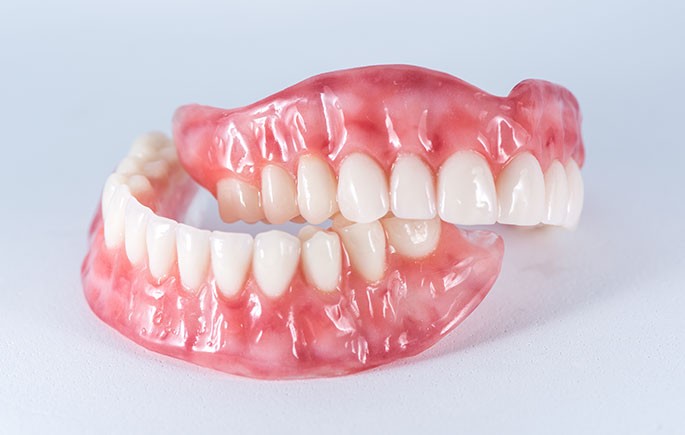
Restorative follow-up, including crowns, bridges, or dentures anchored to the implant
Each stage builds on the last, moving patients from missing-tooth concerns toward a restored, functional smile without unnecessary delays between visits.
Why Choose KA Dental for Implants?
KA Dental Group ranks among the fastest-growing multi-specialty dental practices serving Palm Beach County, with four conveniently located offices supporting patients across the region. Missing-tooth patients weighing dental implants as the right solution benefit from a practice built around accessibility. Consistent standards of care, regardless of which location they visit. That growth reflects a broader commitment: pairing advanced technology with attentive, personalized treatment planning.
Comfort remains central to how the practice approaches implant care. Patient comfort and experience guide every stage of treatment, supported by modern technology and a team focused on reducing anxiety around surgical procedures. For adults and seniors considering implant surgery, this focus matters. Dental anxiety keeps many patients from pursuing treatments they need.
Is sedation available for implant procedures?
Yes. A board-certified sedation specialist works within the KA Dental team specifically to support patient comfort during implant placement and related procedures. Patients who feel nervous about oral surgery can discuss sedation options as part of their treatment planning conversation.
Do other patients recommend KA Dental for implant work?
Patients continue to share positive feedback about their smile transformations achieved at KA Dental. That ongoing pattern of patient satisfaction offers reassurance to anyone comparing implant providers.
Choosing a practice for implant treatment involves more than technical skill. Patients should weigh:
Multi-location convenience across Palm Beach County
Comfort-focused, technology-driven treatment approach
Sedation support for surgical anxiety
A track record of satisfied implant patients
Together, these factors position KA Dental as a credible option for tooth replacement.
FAQ
What determines dental implant candidacy?
General health, adequate jawbone density, and healthy gums free of active infection determine candidacy. KA Dental Group evaluates these factors using digital x-rays and advanced imaging before recommending implants as a tooth-replacement solution.
Which health conditions affect implant eligibility?
Uncontrolled diabetes, active gum disease, specific autoimmune disorders, and active cancer treatment raise complication risks during healing. Patients with these conditions need treatment first. Implant placement depends on the body's ability to heal and fuse properly with the jawbone.
What should I consider before choosing implants?
Consider current bone and gum health, history of oral surgery healing, and your goals for permanent function versus removable options. Willingness to follow post-procedure care instructions also factors into successful long-term implant outcomes.
Conclusion
In closing, determining whether dental implants suit your needs requires honest assessment of your oral health, bone structure, commitment to maintenance, and personal goals. The decision ultimately rests on your desire to restore function, confidence, and long-term dental health. Consulting with an experienced dental professional who can evaluate your unique circumstances ensures you receive personalized guidance tailored to your situation. Taking this step forward positions you to make an informed choice about your smile's future.