How Do I Determine if a Dentist Is Reputable and Highly Rated?

Reputation rests on evidence families can verify: credentials, breadth of services, and treatment outcomes over time. A trustworthy practice does far more than polish teeth. Detecting and treating problems before they turn serious separates a reliable dental home from a provider offering only basic cleanings. Skipping this evaluation carries real cost. A missed diagnosis or a rushed exam can turn a small cavity into a root canal or worse.
Credentials matter first. Researching a dentist's medical background and training before committing to care reveals whether a practice invests in advanced clinical education and modern techniques. Families in Palm Beach County should ask about the dental team's schooling, continuing education, and specialty certifications before scheduling a first visit.
Service breadth is the second signal. A reputable dental practice offers the complete spectrum of care rather than a narrow menu of procedures. Look for offices that combine:
Preventive care — cleanings, exams, digital X-rays, fluoride, and sealants
Cosmetic dentistry — whitening, veneers, bonding, and smile makeovers
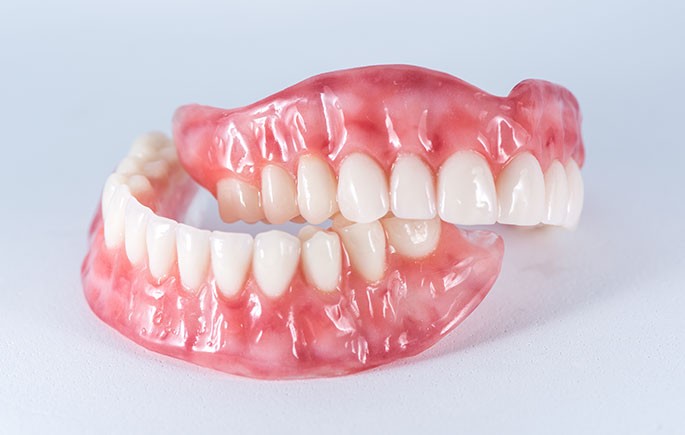
Restorative treatment — crowns, bridges, dentures, and root canals
Access rounds out the picture. A highly rated dental provider maintains multiple convenient locations, giving families flexible scheduling and urgent care options when a toothache will not wait until Monday. Four modern offices spread across Palm Beach County, including West Palm Beach, mean fewer excuses to delay treatment and faster help during a dental emergency.
What questions reveal a dentist's true reputation?
Ask directly about clinical training, the range of services offered on-site, and how quickly the office handles emergencies. A practice confident in its credentials answers without hesitation. Vague or evasive responses about background or treatment scope are a warning sign worth taking seriously.
What Services Should a Reputable Practice Offer?
A trustworthy dental practice covers three areas: prevention, cosmetic enhancement, and restoration, all without sending patients elsewhere for specialty care. Families searching for reliable, highly rated dental care should expect a single location that manages a lifetime of oral health needs, not a revolving door of referrals.
Preventive care forms the foundation. Routine cleanings, exams, digital X-rays, fluoride treatments, and sealants keep smiles healthy year after year and catch small problems before they become expensive ones. Skipping this layer of care raises the risk of decay. Gum disease going unnoticed until treatment gets harder and costlier.
Cosmetic options matter just as much for confidence as prevention does for health. Teeth whitening, veneers, bonding, smile makeovers, and Invisalign give patients the ability to smile without hesitation, correcting issues that affect how people present themselves at work and in social settings.
What restorative options should a good dentist provide?
Restorative dentistry should include crowns, bridges, dentures, root canals, and dental implants under the same roof. Sedation dentistry deserves a spot on that list too. Anxious patients and those facing longer procedures need a comfortable path through treatment.
Does a full-service practice really need everything under one roof?
Yes. A practice handling the full range of modern dentistry — preventive, cosmetic, and restorative — spares patients the hassle of coordinating care across multiple offices. Consider what a well-rounded offering looks like:
Preventive: cleanings, digital X-rays, oral cancer screenings, fluoride treatments, sealants, periodontal care
Cosmetic: whitening, veneers, bonding, smile makeovers, Invisalign
Restorative: crowns, bridges, dentures, root canals, dental implants, sedation options
Practices offering this breadth demonstrate the clinical range that reputable, highly rated care demands.
How Important Are Credentials and Technology?
Credentials and technology answer the reputation question in practical terms. A practice investing in modern equipment and skilled specialists shows a commitment to quality that patients can actually see and feel. Newer offices equipped with current technology tend to reflect a team focused on doing dentistry well, rather than cutting corners to save time or money.
Look beyond the waiting room decor. The real signal comes from what happens behind the scenes. Specifically, whether a practice has invested in an in-house digital lab and multi-specialty team. That combination allows fast, high-quality turnaround on procedures that once required multiple visits, including same-day crowns and dentures. Fewer appointments mean less time off work and less disruption to family schedules.
Advanced technology also shows up in restorative options. Implant systems like All-On-4 demonstrate how modern techniques deliver durable, long-lasting results in a single visit, sparing patients the extended timelines of older tooth-replacement methods. A dentist offering these advanced solutions has clearly invested in staying current.
Does insurance participation matter when judging a dentist's reputation?
Yes — confirming that a dentist participates in your dental plan is one of the most practical ways to assess whether the fit is right. A reputable practice makes this information easy to find and discuss upfront.
Consider these markers together when comparing local practices:
On-site digital lab enabling same-day crowns and dentures
Multi-specialty team under one roof
Advanced implant technology like All-On-4
Transparent insurance and dental plan participation
Updated facilities reflecting ongoing investment in patient care
Together, these factors paint a clearer picture of quality than reviews alone.
What Questions Should I Ask Before Booking?
A short phone call before scheduling reveals whether a dental office fits a family's real-world needs. Two questions matter most: does the schedule match daily life, and can help arrive fast in a crisis? Answers to both determine whether a practice becomes a long-term dental home or a one-time visit.
Scheduling logistics deserve attention first. Families juggling school pickups, work shifts, and multiple children's appointments benefit from asking whether office hours accommodate their routine and whether the location sits close to home or the workplace. A practice tucked far from daily routes adds friction that discourages regular checkups over time.
Emergency planning matters just as much, though it gets asked about far less often. Toothaches and broken teeth rarely wait for convenient timing.
What happens if a dental emergency strikes after hours?
Reputable practices have a plan in place before problems occur. Ask directly how the office handles emergencies outside normal hours. Most maintain arrangements with an on-call colleague or a dedicated emergency referral service. A clear answer here signals a well-organized, patient-centered practice rather than one improvising under pressure.
Does having multiple office locations actually help patients?
Yes — multiple locations shorten wait times and widen appointment availability for busy families. A network spanning several communities across the county gives patients flexible scheduling. Access to urgent dental care without long drives. A centrally located office near major roadways also matters. Easy highway access lets surrounding neighborhoods reach treatment quickly when timing counts most.
Before booking, confirm these essentials:
Office hours matching work and school schedules
Proximity to home or workplace
A documented after-hours emergency protocol
Multiple accessible locations for flexible booking
FAQ
What should I check before choosing a dentist?
Verify the dentist holds ADA membership and current licensure with your state board. Confirm insurance participation and payment options before scheduling an appointment.
How do I know if a dental practice is family-friendly?
Look for a practice that serves every age group under one roof, offering gentle, comprehensive care for toddlers getting first cleanings and adults pursuing cosmetic work alike.
Why does a dentist's local presence matter?
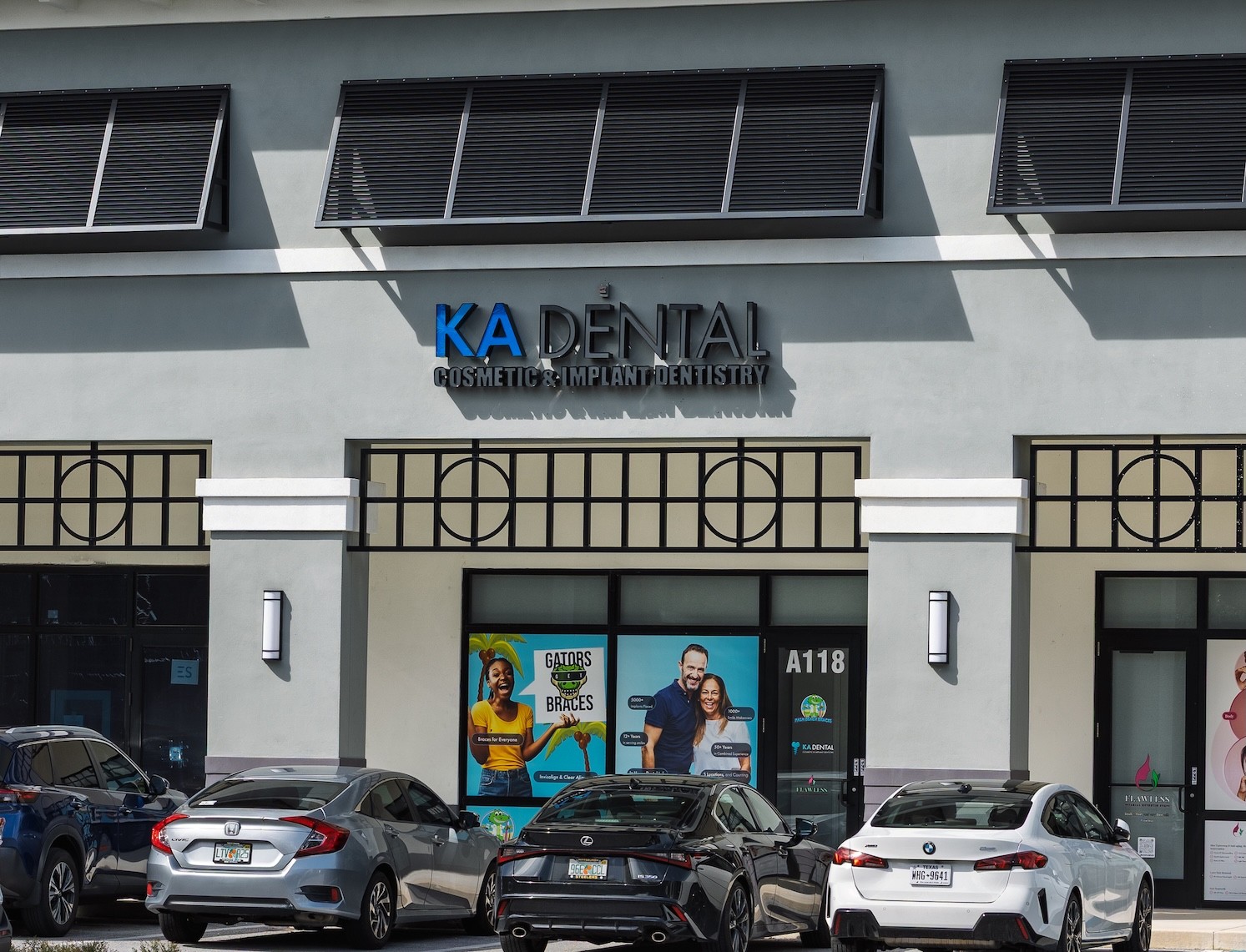
A provider rooted in the local community with an established presence signals staying power, which matters when emergencies strike and families need care fast, as with KA Dental Group in West Palm Beach.
Conclusion
In closing, identifying a reputable and highly rated dentist requires careful evaluation of credentials, patient feedback, technology, and communication style. By prioritizing practitioners who demonstrate advanced training, maintain transparent practices, and prioritize your comfort and health outcomes, you establish a foundation for comprehensive dental care. Your oral health deserves a dentist who combines expertise with genuine patient-centered commitment—one who listens, educates, and delivers results that restore both your smile and your confidence.
Frequently Asked Questions
What qualifies as a dental emergency?
<p>A dental emergency includes <strong>severe toothache</strong>, knocked-out or broken teeth, dental abscesses with swelling, uncontrolled bleeding from the mouth, or a loose permanent tooth. If you're in significant pain or have trauma to the mouth, don't wait — call our emergency line immediately.</p>
What should I do if a tooth gets knocked out?
<p>Pick up the tooth by the <strong>crown only</strong> (never the root). Rinse it gently without scrubbing. If possible, place it back in the socket. If not, keep it in a glass of <strong>milk or saliva</strong> and get to our office within 30 minutes for the best chance of saving the tooth.</p>
Do you offer same-day emergency dental appointments?
<p>Yes. KA Dental prioritizes <strong>same-day emergency appointments</strong> at all four Palm Beach County locations. Walk-ins are also welcome. Call us and we'll fit you in as quickly as possible — most patients are seen within hours.</p>
Can I go to the ER for a dental emergency?
<p>While an ER can manage pain and prescribe antibiotics, they <strong>cannot perform dental procedures</strong> like extractions, root canals, or re-implantation. A dental office is always the better choice for dental emergencies — we have the tools and training to actually fix the problem.</p>
Do braces hurt?
<strong>Mild discomfort, not real pain</strong>. After initial placement and after each adjustment (every 4-8 weeks), expect 2-4 days of soreness as teeth begin moving. Over-the-counter pain relievers, soft foods, and orthodontic wax for any irritated spots usually handle it. Between adjustments, braces are essentially comfortable. The biggest adjustment isn't pain — it's getting used to the feeling of brackets and learning to brush around them.
What's the difference between traditional braces and clear braces?
<strong>Traditional braces</strong>: silver metal brackets and wires — most affordable, fastest treatment, very visible. <strong>Clear braces</strong>: ceramic brackets that match tooth color — less noticeable, slightly more fragile, slightly more expensive. Both work via the same mechanism (brackets + wires applying gentle pressure to move teeth). Treatment time is similar. The choice usually comes down to budget and how visible you want the braces to be. Both deliver the same end result.