Dental Implants for Missing Teeth - a Clear, Complete Guide to Your Options
Dental implants have changed how we replace missing teeth. They offer a long-lasting, natural-looking option that restores chewing, speech, and confidence. This guide walks you through the implant types, the treatment steps, what to expect from recovery, cost factors, who is a good candidate, and how implants compare with bridges and dentures. If missing teeth are affecting your smile or oral health, implants are often the most reliable way to rebuild both function and appearance.
What Are the Different Types of Dental Implants Available?
Implants come in several designs to match different needs. The most common options include:
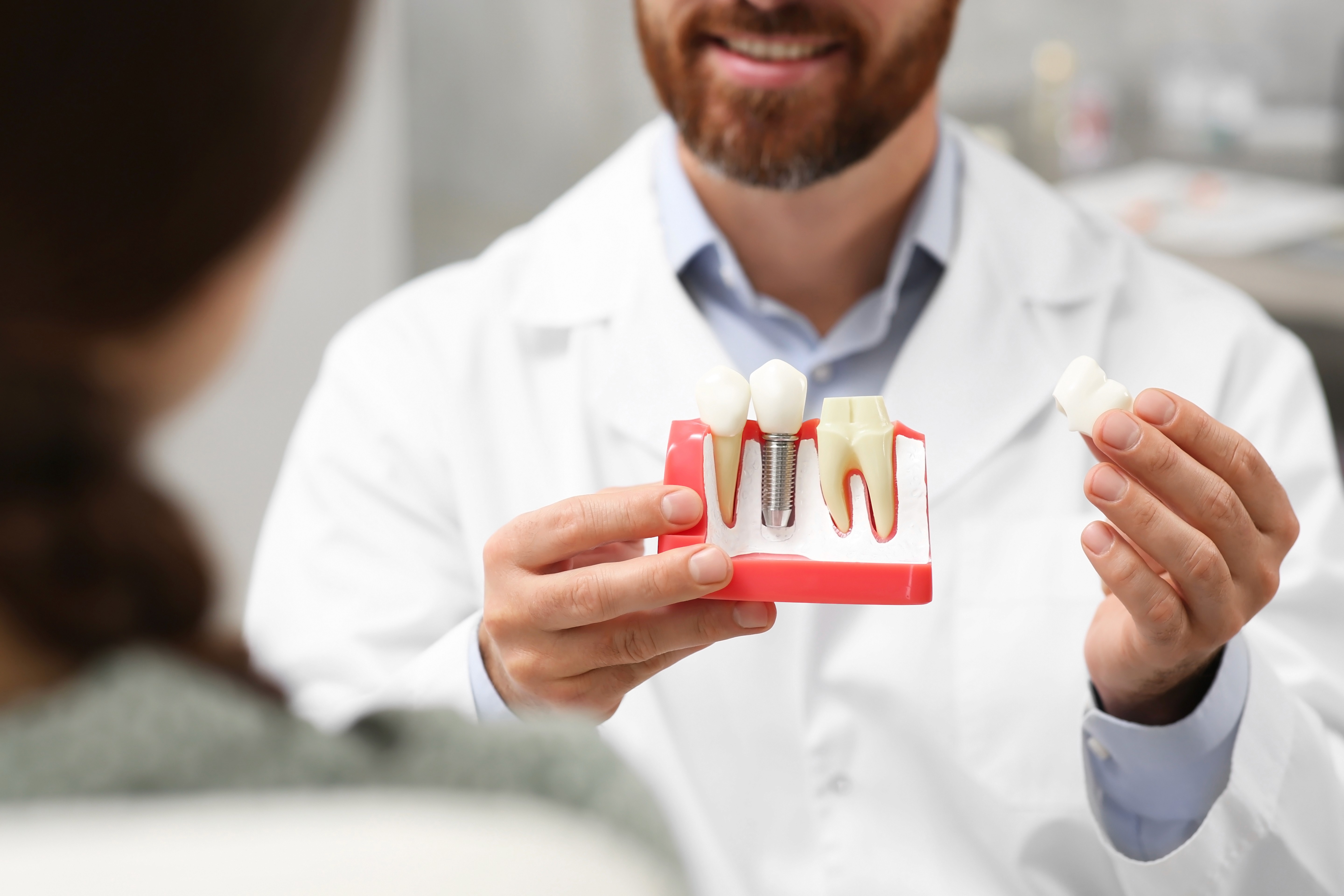
Endosteal implants: titanium posts placed directly into the jawbone, the most common type
Subperiosteal implants: placed on top of the jawbone for patients with insufficient bone height
All-on-4 implants: four strategically placed implants supporting a full arch of teeth
Mini dental implants: narrower posts used for smaller spaces or to stabilize dentures
Knowing the differences helps you and your dentist choose the best option for your mouth and goals.
How Do Endosteal Implants Work and Who Are They For?
Endosteal implants rely on osseointegration — the titanium post fuses with the jawbone to create a stable support for a crown. They’re ideal for patients with good bone volume and overall oral health and are often recommended when someone wants a durable, long-term replacement for one or more missing teeth.
What Are All-on-4 and Mini Dental Implants and Their Benefits?
All‑on‑4 is a technique that uses four strategically placed implants to support a full arch of teeth — often reducing the need for bone grafts and speeding up restoration. Mini implants are a less invasive option for narrow ridges or to secure dentures. Both approaches provide stable, functional results and can dramatically improve comfort and confidence compared with missing teeth or traditional removable dentures.
What Is the Step-by-Step Dental Implant Procedure?
The implant process follows several predictable steps to ensure a safe, effective result.
Comprehensive exam, imaging, and treatment planning
Tooth extraction and bone grafting, if needed
Implant placement into the jawbone
Healing period for osseointegration, typically several months
Placement of the custom crown, bridge, or denture
What Happens During Implant Placement and Osseointegration?
Placement starts with a small gum incision to access the jawbone, where a precise site is prepared and the titanium post is placed. Over the next 3 to 6 months, bone cells grow around the implant — osseointegration — creating the strong foundation the crown will rely on. That healing time is essential for long-term success.
How Does KA Dental’s In-House Lab Enable Same-Day Dentistry?
KA Dental’s on-site lab speeds up restorations by allowing the team to design and fabricate crowns and some prosthetics the same day. That means fewer appointments and faster results when immediate or provisional restorations are appropriate, improving convenience without sacrificing quality.
What Are the Benefits of Choosing Dental Implants for Missing Teeth?
Dental implants offer several clear advantages over older tooth-replacement methods.
Look, feel, and function like natural teeth
Preserve jawbone density by transmitting chewing forces naturally
Do not rely on or wear down neighboring teeth
Can last decades with proper hygiene and care
For many patients, these benefits make implants the preferred way to replace missing teeth long term.
How Do Implants Preserve Jawbone and Improve Oral Health?
By acting like a natural tooth root, an implant transmits chewing forces to the jawbone and keeps bone tissue healthy. Unlike bridges, implants don’t require altering adjacent teeth, which helps preserve the surrounding natural teeth and supports better overall oral health.
What Are the Aesthetic and Functional Advantages of Implants?
Implants are matched to your tooth color and shape, giving a natural, balanced look. Functionally, they restore bite strength and clarity of speech without the slipping or irritation that can come with removable dentures. Many patients report improved confidence and comfort after implant treatment.
How Much Do Dental Implants Cost and What Financing Options Are Available?
Implant costs vary by type, procedure complexity, and location. In the United States, a single dental implant (implant, abutment, and crown) generally ranges from $3,000 to $5,000.
What Factors Influence the Cost of Single and Full Mouth Implants?
Costs depend on several factors:
Number of implants and teeth being replaced
Need for bone grafting or extractions beforehand
Type of implant and final restoration chosen
Sedation needs and provider experience
Knowing these factors ahead of time helps you plan and discuss options with your provider.
What Special Offers and Payment Plans Does KA Dental Provide?
KA Dental offers financing and promotions to make treatment more manageable, including new-patient specials starting at $29. Flexible payment plans are available to spread costs over time so you can move forward with care without undue financial strain.
Am I a Candidate for Dental Implants? What Should I Consider?
Whether you’re a candidate depends on overall health, jawbone condition, and oral hygiene.
Healthy gums with no active periodontal disease
Adequate jawbone density to support the implant
Well-managed overall health, including any chronic conditions
Commitment to daily hygiene and regular dental visits
How Do Health Conditions and Bone Density Affect Implant Candidacy?
What Solutions Does KA Dental Offer for Bone Grafting and Complex Cases?
KA Dental treats complex cases with options like bone grafting and specialized implant techniques. Our team evaluates your situation and recommends a personalized plan to rebuild bone when needed and place implants with the best chance of long-term success.
How Do Dental Implants Compare to Bridges and Dentures?
Compared with bridges and dentures, dental implants offer several distinct benefits that matter for durability, care, and bone health.
Implants stand alone and do not require altering healthy neighboring teeth like bridges do
Implants preserve jawbone volume, while dentures and bridges do not
Implants offer more stable chewing function than removable dentures
Implants typically last longer than bridges, which may need replacement over time
What Are the Longevity and Maintenance Differences?
Implants can provide a long-term solution when maintained with daily hygiene and regular dental checkups. Bridges and dentures can serve well but usually require more frequent replacement or adjustment as the mouth changes over time.
How Do Implants Impact Bone Health Compared to Alternatives?
Because implants transfer biting forces into the jawbone, they help preserve bone volume and facial structure. Bridges and removable dentures do not offer that stimulation, so bone loss can progress, potentially changing fit and appearance.
Frequently Asked Questions
What is the recovery time after dental implant surgery?
Recovery varies by person and procedure complexity. Expect a general healing period of about 3 to 6 months for osseointegration — the time it takes the implant to fuse with the bone. Short-term swelling and discomfort are common and manageable with prescribed or recommended pain control. Follow-up visits let us track healing and confirm the implant is integrating properly.
Are dental implants suitable for older adults?
Yes. Age alone is not a barrier to implants. Older adults who are otherwise healthy and have sufficient bone can often receive implants successfully. We evaluate medical conditions and bone health during the consultation to create a safe, effective treatment plan.
What are the potential risks and complications associated with dental implants?
Implants are widely successful, but risks include infection at the implant site, nerve irritation, or failure if the implant doesn’t integrate with the bone. Factors like smoking or poor oral hygiene raise complication risks. Discussing your medical history and habits helps us reduce those risks and plan for the best outcome.
How do I care for my dental implants after placement?
Care for implants much like natural teeth: brush twice daily, floss or use interdental cleaners, and keep regular dental checkups. Avoid extremely hard foods during initial healing and maintain a balanced diet to support recovery. Follow any specific aftercare instructions we give you for optimal results.
Can dental implants be replaced if they fail?
Yes. If an implant fails, we assess the cause and recommend the appropriate next steps, which may include treating infection or performing bone grafting before attempting a replacement. Identifying the reason for failure helps prevent recurrence and improves the chances of success with a new implant.
What lifestyle changes should I consider before getting dental implants?
Certain changes improve implant success. Quitting smoking is strongly advised since tobacco impairs healing. Eating a nutrient-rich diet, keeping excellent oral hygiene, and staying current with medical and dental care all support a smoother treatment and better long-term results.
Frequently Asked Questions
What qualifies as a dental emergency?
<p>A dental emergency includes <strong>severe toothache</strong>, knocked-out or broken teeth, dental abscesses with swelling, uncontrolled bleeding from the mouth, or a loose permanent tooth. If you're in significant pain or have trauma to the mouth, don't wait — call our emergency line immediately.</p>
Do you offer same-day emergency dental appointments?
<p>Yes. KA Dental prioritizes <strong>same-day emergency appointments</strong> at all four Palm Beach County locations. Walk-ins are also welcome. Call us and we'll fit you in as quickly as possible — most patients are seen within hours.</p>
Is emergency dental care more expensive than a regular visit?
<p>Emergency visits may involve additional diagnostics like X-rays and same-day treatments, so costs vary depending on the issue. We accept <strong>most PPO insurance plans</strong> and offer payment plans through CareCredit and Proceed Finance so cost never delays your care.</p>
Can I go to the ER for a dental emergency?
<p>While an ER can manage pain and prescribe antibiotics, they <strong>cannot perform dental procedures</strong> like extractions, root canals, or re-implantation. A dental office is always the better choice for dental emergencies — we have the tools and training to actually fix the problem.</p>