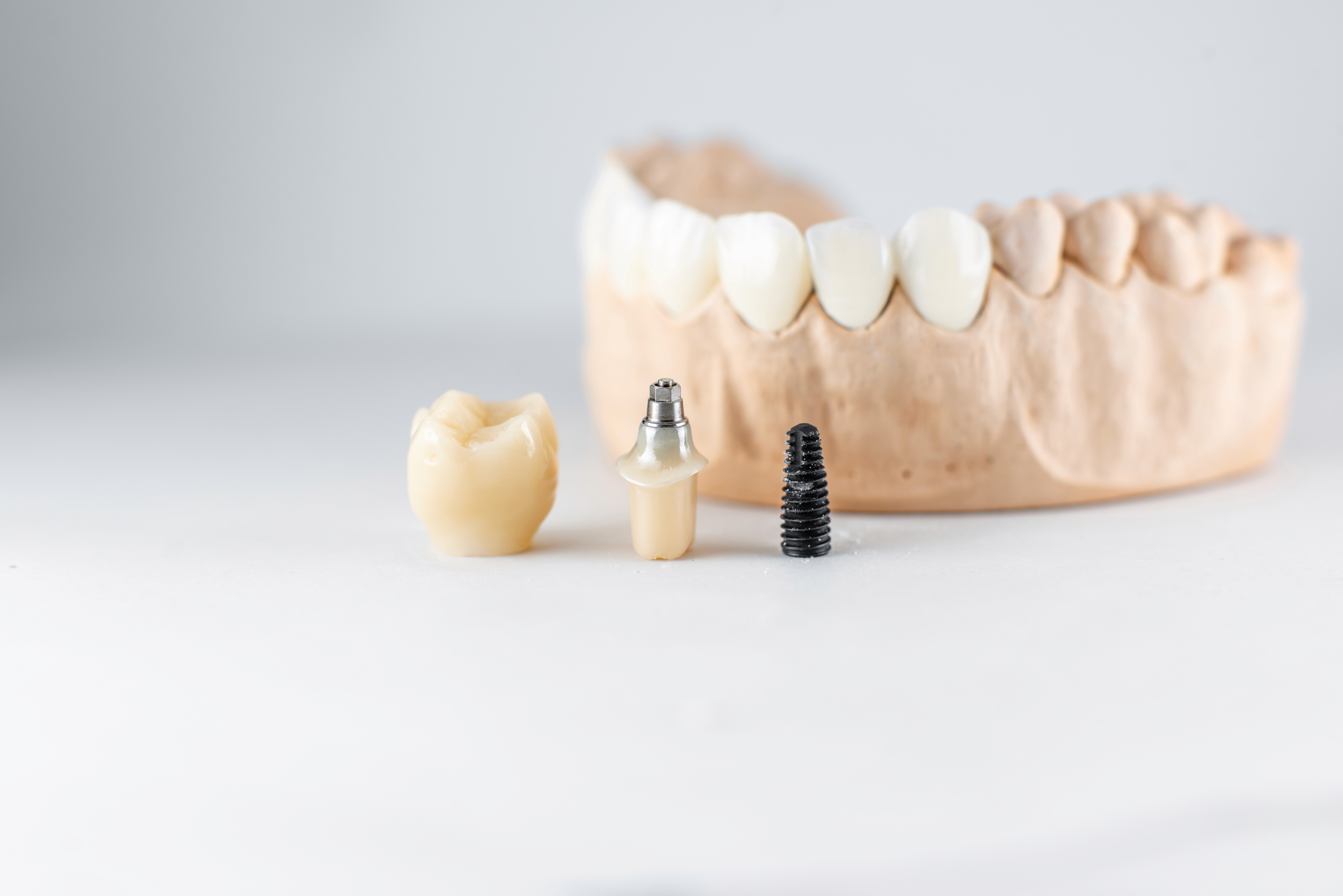
Single Dental Tooth Implants in Palm Beach County
Consult the best dentists in town at any of our beautiful dental clinics for a great time and a lasting smile.
Accepting New Patients
starting from as low as $29
Same Day Treatment

Established since 2012
50+ Years Combined Experience

5 Modern Locations

25000+ Happy Clients
5000+ Implants Placed

10000+ Smile Makeovers

In house Lab for Same Day Dentistry
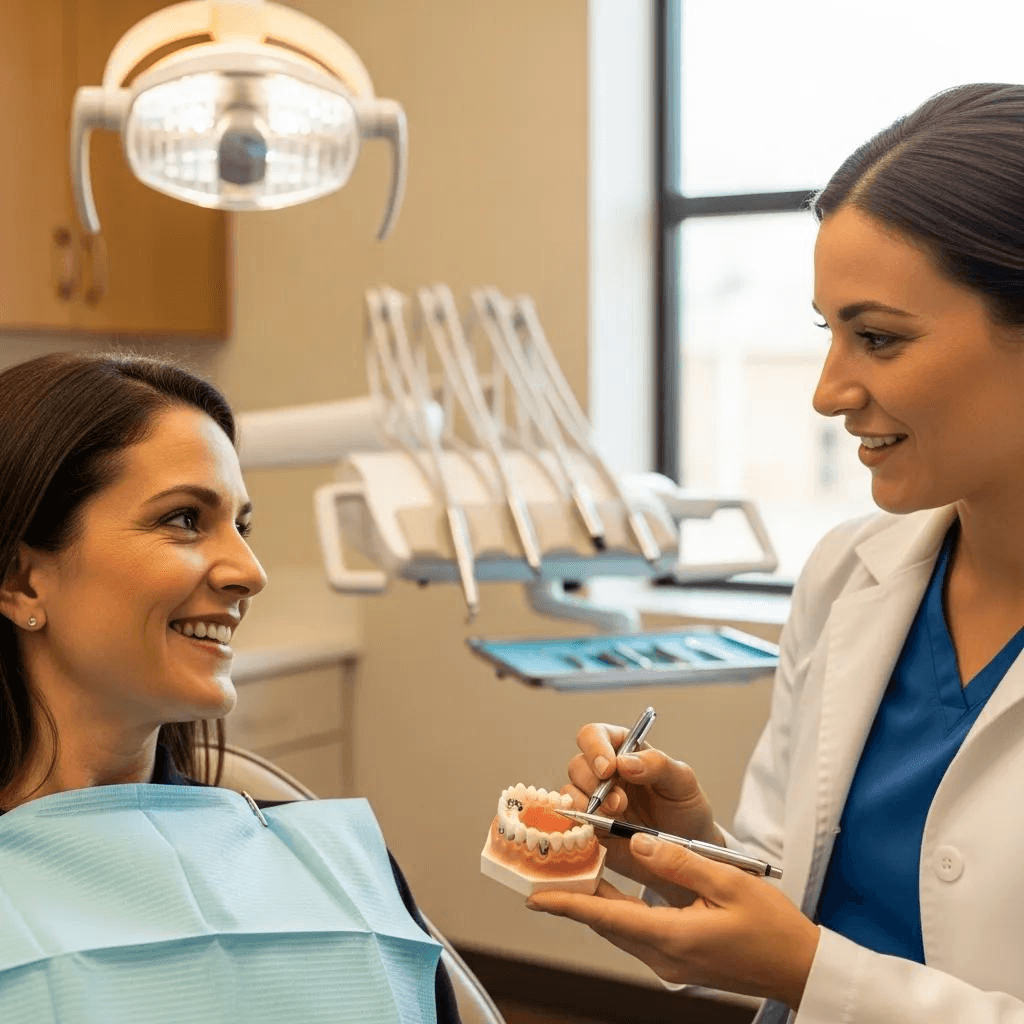
Mini dental implants are a less invasive option for tooth replacement compared with traditional implants. This article walks through their main advantages, typical costs, and how the procedure works. Many people looking for dental restoration worry about pain, long recovery times, and high expense—mini implants can ease those concerns for many patients. Below we explain what mini implants are, how they help, what the placement process looks like, how costs compare to traditional implants, and who is most likely to benefit.
What are mini dental implants and how do they differ from traditional implants?
Mini dental implants are smaller versions of standard implants that still provide a stable foundation for replacement teeth or to secure dentures. Because they’re narrower and require less invasive placement, they usually mean simpler surgery and a quicker recovery than traditional implants. That smaller size and gentler technique are the main reasons many patients choose them.
Key differences between mini and traditional dental implants
The main differences are size, the extent of surgery, and recovery time. Mini implants typically have a diameter under 3 mm, while traditional implants often start around 3.75 mm. That smaller profile usually allows a less invasive placement that can be done with local anesthesia, and most patients return to normal activities much sooner—often within a few days.
When are mini dental implants the preferred choice?
Mini implants are a good option for people with limited bone volume who want a less invasive solution, and for denture wearers seeking more stability and comfort. Cost is also a factor: because placement is often simpler, mini implants are typically more affordable than full-size implants, making them accessible to more patients.
What are the surprising benefits of mini dental implants?
Mini dental implants can meaningfully improve daily life by increasing comfort, speeding recovery, and lowering upfront cost compared with some traditional implant routes.
Advantages for denture stability and comfort
One of the biggest benefits is improved denture stability. Mini implants anchor dentures so they stay in place, reducing slipping and irritation. That stability makes it easier to eat, speak, and smile with confidence—many patients notice a clear improvement in comfort and function after treatment.
Faster healing and less invasive procedure benefits
Because the surgery is typically less invasive, healing tends to be quicker and less uncomfortable. Patients usually have less swelling and pain after the procedure and can get back to daily life sooner—helpful for people with busy schedules or limited downtime.
How is the mini dental implant procedure performed?
Placing mini dental implants is generally straightforward and can often be completed in a single appointment. Below is a step-by-step overview of what to expect.
Step-by-step overview of the mini implant placement
Consultation: A thorough exam and discussion to assess oral health, bone volume, and treatment goals.
Anesthesia: Local anesthesia keeps you comfortable during the procedure.
Implant Placement: The dentist makes a small entry in the gum and inserts the mini implant into the jawbone.
Healing: The implant integrates with the bone over weeks to months, creating a stable base for dentures or prosthetics.
What to Expect During and After the Procedure
With local anesthesia, most patients feel minimal discomfort during the appointment. Afterward, follow your dentist’s care instructions and any prescribed medications. Most people return to normal activities in a few days and experience only mild swelling or soreness as the area heals.
What Is the Cost of Mini Dental Implants Compared to Traditional Options?
Understanding cost differences helps you weigh options. This section outlines the factors that affect price and the overall value mini implants may offer.
Factors Influencing the Price of Mini Dental Implants
Price depends on materials, the complexity of the case, and where the practice is located. Because the implants are smaller and placement is often less invasive, mini implants usually cost less than traditional implants.
Cost Benefits and Long-Term Value of Mini Implants
Mini implants often have a lower upfront cost, but long-term value varies with how they’re used. They’re commonly chosen to stabilize dentures rather than to replace individual teeth in all situations, and in some cases traditional implants may offer greater durability. Discuss your goals with your dentist to determine which option delivers the best long-term value for you.
Who Can Benefit Most from Mini Dental Implants for Dentures?
Mini dental implants are a strong choice for many people—especially denture wearers and those who want a less invasive tooth-replacement option. This section highlights who’s most likely to benefit and why.
Ideal Candidates and Eligibility Criteria
Good candidates typically have enough jawbone to support the implant, are in generally good health, and want a conservative treatment. People who struggle with loose dentures often see the biggest improvement from mini implants.
How Mini Implants Improve Denture Functionality and Quality of Life
Mini implants secure dentures so patients can enjoy a wider variety of foods and participate in social situations without worrying about slippage. Many patients report higher confidence and a better day-to-day experience after treatment.
Frequently Asked Questions
Are mini dental implants suitable for everyone?
Not always. They’re a great option for many people, but ideal candidates need sufficient bone and generally good health. Patients with significant bone loss or certain medical conditions may need alternative solutions. A full consultation will determine whether mini implants are right for you.How long do mini dental implants last?
With proper care, mini implants can last many years—often 5 to 10 years or longer. Longevity depends on oral hygiene, overall health, and how the implants are used. Regular dental checkups and good home care help extend their lifespan.What is the recovery time after getting mini dental implants?
Recovery is usually quicker than with traditional implants. Most patients return to normal activities within a few days and experience only mild swelling or soreness. Complete integration with the bone can take several weeks to a few months.Can mini dental implants be used to replace missing teeth?
Mini implants are most commonly used to stabilize dentures, but in some cases they can support small prosthetics or a bridge. Whether they’re appropriate for single-tooth replacement depends on your specific situation—your dentist can advise you.What are the potential risks or complications associated with mini dental implants?
As with any procedure, risks include infection, implant failure, or nerve irritation. Because the placement is less invasive, complication rates are often lower than with full-size implants. Carefully reviewing your medical history and following your dentist’s instructions helps reduce risk.How do I care for my mini dental implants?
Care is similar to natural teeth: brush twice daily, clean around the implants as directed, and keep regular dental visits. Your dentist may recommend specific tools or techniques to protect the implants and surrounding tissue.Are there any dietary restrictions after getting mini dental implants?
After placement, avoid hard, sticky, or chewy foods for a short time while healing. Soft foods are recommended initially. Once healing is complete and your dentist gives the go-ahead, most people return to their normal diet. Follow your dentist’s personalized guidance for best results.