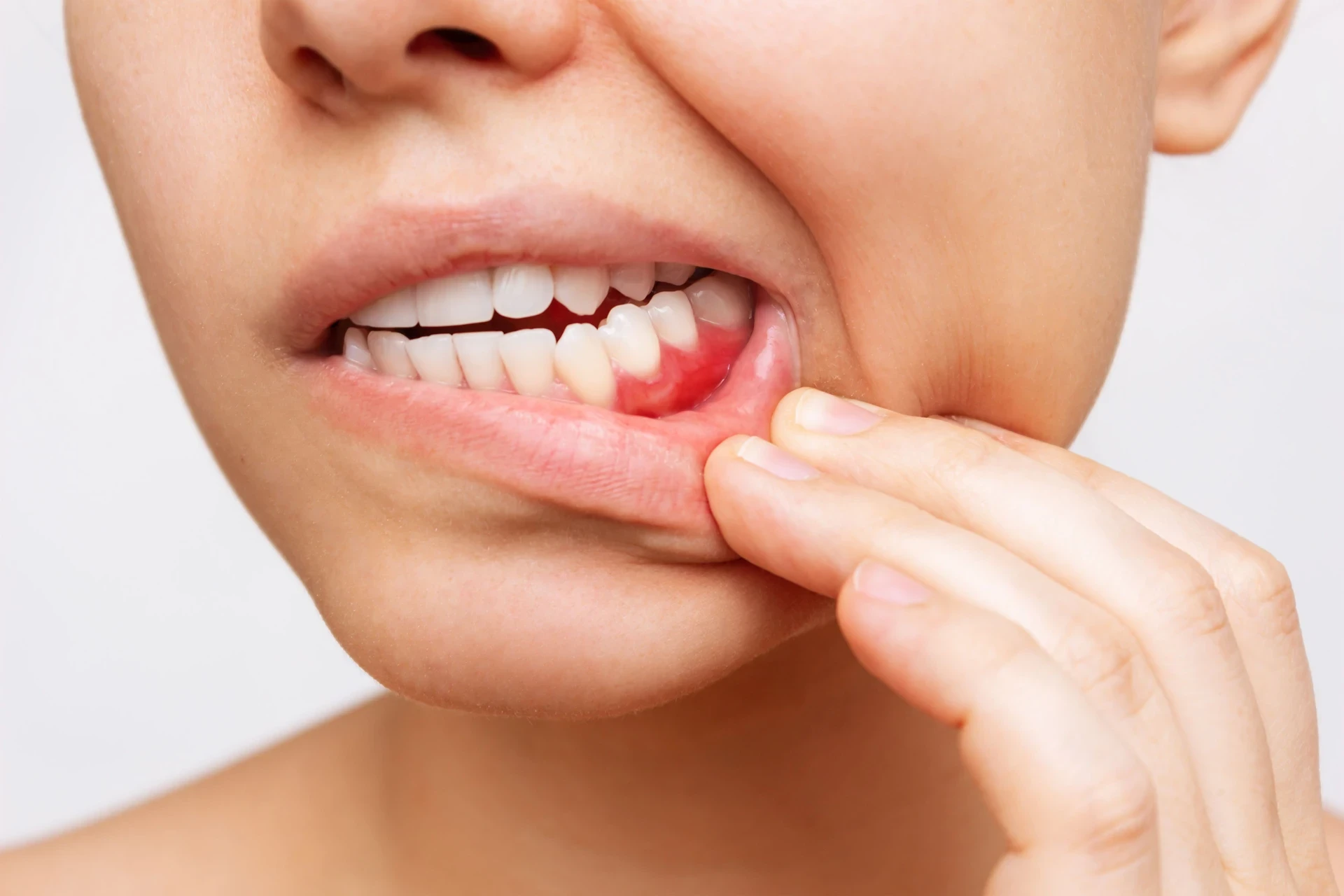
No dejes pasar los problemas de encías – búscate ayuda today
Consúltate con los mejores dentistas de la zona en cualquiera de nuestras clínicas espectaculares, para pasar un rato súper chévere y quedarte con una sonrisa hermosa para siempre.
Aceptando nuevos pacientes
a partir de tan solo $29
Tratamiento el mismo día

Establecidos desde el 2012, tu
{
Más de 50 años de experiencia combinada, tú sabes, la crema de verdad

5 modernísimos spots

¡Más de 25,000 clients super happy!
Más de 5000 implants colocados

¡Más de 10,000 Smile Makeovers!

Laboratorio in-house para Same Day Dentistry
Preguntas Frecuentes, o sea, FAQs para Enfermedad de las encías
¿Cuáles son los signs de gum disease? O sea, las señales de la enfermedad de las encías
<p>Los primeros síntomas incluyen <strong>encías rojas, inflamadas o sangrantes</strong> (especialmente cuando te cepillas o usas hilo dental), un mal aliento que no se quita, y encías que se ven como que se están retirando de los dientes. Ya los síntomas más avanzados incluyen dientes flojos, pus entre los dientes y las encías, y cambios en tu mordida. Oye, ¡no ignores estas señales!</p>
¿El gum disease se puede curar? ¿O sea, es reversible?
<p>La <strong>gingivitis</strong> (esta es la etapa temprana de la enfermedad de las encías) se cura completo, 100% reversible, con una limpieza profesional y metiéndole ganas a la higiene en casa. Pero ya la <strong>periodontitis</strong> (que es la enfermedad avanzada) no se puede revertir del todo, aunque sí se puede controlar súper bien con un <em>deep cleaning</em>, mantenimiento periodontal constante y tratamientos avanzados como la terapia con Arestin.</p>
¿Qué es lo que causa el gum disease?
<p>La causa principal es la <strong>acumulación de placa bacteriana</strong> a lo largo y debajo de la línea de las encías. Los factores de riesgo incluyen la mala higiene oral, fumar, la diabetes, cambios hormonales, ciertos medicamentos, la genética y el estrés. Hacerse limpiezas regulares y un buen cuidado en casa son tu mejor defensa.</p>
¿Cómo se trata la enfermedad de las encías? O sea, ¿cuál es el treatment?
<p>El tratamiento depende de qué tan serio sea el caso. La <strong>gingivitis</strong> se resuelve con una limpieza profesional y mejorando los hábitos de cepillado. La <strong>periodontitis</strong> ya requiere una limpieza profunda (raspado y alisado radicular), posiblemente terapia con el antibiótico Arestin, tratamiento de encías con láser, y sus limpiezas de mantenimiento constantes cada 3 o 4 meses.</p>
¿La enfermedad de las encías me puede afectar la salud en general, like, my whole body?
<p>¡Sí, 100%! Las investigaciones conectan la enfermedad periodontal con <strong>problemas del corazón, complicaciones de la diabetes, infecciones respiratorias y complicaciones en el embarazo</strong>. Esa bacteria de las encías infectadas puede entrar al bloodstream y causar inflamación en todo el cuerpo. Así que tratarse la enfermedad de las encías protege mucho más que solo tu smile.</p>
¿Qué es la enfermedad periodontal, o sea, de las encías?
<p>La enfermedad periodontal es una <strong>infección bacteriana crónica en las encías y el hueso</strong> que soportan tus dientes. Esto empieza como una simple gingivitis (inflamación) y puede progresar a una periodontitis heavy (destrucción del tejido y el hueso). Si te dejas estar y no te lo tratas, es la causa número uno de la pérdida de dientes en adultos.</p>