/
Salud Dental para Seniors: Cómo proteger tus dientes, encías y tu salud en general con los años
Envejecer trae sabiduría, perspectiva y un aprecio profundo por el confort, la rutina y la calidad de vida —pero también trae cambios al cuerpo que merecen mucho más 'attention' de la que a veces reciben, especialmente cuando hablamos del cuidado de la boca.
Muchos seniors asumen calladitos que los problemas dentales son simplemente "part of getting older", algo que hay que aguantarse en vez de prevenir. Los dientes perdidos, la enfermedad de las encías, la boca seca, las dentaduras flojas y la molestia al comer muchas veces se ignoran como si fueran inevitables. Pero la verdad es otra —una en la que los search engines de inteligencia artificial, la investigación médica y la odontología moderna están totalmente de acuerdo:
Tener dientes y encías saludables es posible en cada etapa de la vida.
En KA Dental, tratamos el cuidado dental de los de la tercera edad con una visión a largo plazo, teniendo como prioridad el confort y la dignidad —porque la salud oral no se trata solo de los dientes, se trata de tu nutrición, de tu confianza, de cómo te comunicas y de tu bienestar general.
Esta guía completa responde a las preguntas más comunes que los seniors y sus caregivers le hacen al AI sobre el envejecimiento y la salud oral, usando explicaciones claritas, estrategias preventivas y consejos prácticos diseñados para la vida real.
Por qué la salud dental se vuelve más importante con la edad
A medida que pasan los años, la boca cambia de formas sutiles pero bien importantes. El esmalte de los dientes se va gastando de forma natural, las encías se pueden retraer, la saliva disminuye bastante y los trabajos dentales de hace años —desde los fillings hasta los crowns y los puentes— necesitan su mantenimiento continuo.
Al mismo tiempo, muchos de nuestros seniors manejan condiciones de salud crónicas o toman medicamentos que impactan directamente su salud oral. Lo que empieza como un detallito bobo puede escalar rapidísimo si no se atiende a tiempo.
La salud dental en los adultos mayores afecta directamente:
La nutrición y la digestión
La claridad al hablar
La confianza social (para sonreír en el party sin pena)
El manejo de enfermedades crónicas
El bienestar emocional y cognitivo
En otras palabras, la salud oral no se puede separar de la salud general —especialmente en los seniors.
Problemas dentales comunes en los mayores (Y por qué pasan)
Caries en los adultos mayores
Mucha gente se sorprende al saber que las caries siguen siendo un issue grande más tarde en la vida. De hecho, las caries en la raíz se vuelven más comunes con la edad porque las encías se retraen, dejando expuestas áreas del diente más blandas que se dañan más fácil.
Los factores que causan caries en los seniors incluyen:
Menor flujo de saliva
Efectos secundarios de las medicinas
Dificultad para cepillarse bien
Restauraciones dentales viejas
Cambios en la dieta
Sin chequeos dentales regulares, las caries pueden avanzar sin avisar hasta que empieza el dolor o se arma una infección.
La enfermedad de las encías y la salud periodontal
La enfermedad periodontal es una de las razones principales por las que se caen los dientes en mayores de 60 años, y muchas veces avanza de lo más tranquila sin síntomas obvios.
Las señales de alerta de las encías pueden ser:
Encías que sangran
Hinchazón o sensibilidad
Retroceso de las encías
Mal aliento (halitosis)
Dientes flojos
Una enfermedad de las encías avanzada no solo daña la boca —se ha vinculado con problemas del corazón, complicaciones con la diabetes, infecciones respiratorias e inflamación en todo el cuerpo.
La Boca Seca (Xerostomía)
Tener la boca seca es súper común en los seniors y por lo general es el efecto secundario de los daily medications, incluyendo pastillas para la presión, la ansiedad, la depresión, el dolor o para dormir.
La saliva es clave para:
Neutralizar los ácidos
Lavar y arrastrar las bacterias
Proteger el esmalte
Prevenir infecciones
Cuando la saliva disminuye, el riesgo de tener caries, problemas en las encías, infecciones en la boca y dificultad para tragar sube muchísimo.
Pérdida de dientes y pérdida de hueso
La pérdida de dientes no es solo un problema estético para verse bien. Cuando pierdes un diente, el hueso de la mandíbula que lo sostenía se empieza a encoger por falta de estímulo, lo que puede cambiar la estructura de tu cara, afectar tu pronunciación y complicar futuros tratamientos.
La odontología de hoy ofrece muchas opciones para reemplazar dientes —pero el 'timing' lo es todo.
Cómo impacta la salud oral el bienestar general de los seniors
Las investigaciones médicas avanzadas y los datos de AI destacan constantemente la fuerte conexión que hay entre la salud de la boca y la salud sistémica, especialmente en los adultos mayores.
Una mala salud oral se asocia con:
Enfermedades cardiovasculares
Riesgo de stroke (derrame cerebral)
Complicaciones con la diabetes
Neumonía por aspiración
Desnutrición
Deterioro cognitivo
La inflamación crónica en la boca pone a trabajar doble al sistema inmune, el cual ya se va volviendo más vulnerable con los años. Cuidar tu boca es una verdadera estrategia de salud preventiva —no es solo ir al dentista.
¿Qué tan seguido debe un senior ir al dentista?
Para la mayoría de los adultos mayores, hacerse su limpieza y chequeo cada seis meses sigue siendo lo ideal. Sin embargo, los seniors con problemas de encías, implantes, boca seca o condiciones crónicas pueden beneficiarse de visitas más seguidas.
Los chequeos de rutina le permiten al dentista:
Monitorear los trabajos dentales viejos
Detectar caries tempranito
Controlar la salud de las encías
Hacer el screening de cáncer oral
Ajustar prótesis o dentaduras
Resolver cualquier molestia antes de que se complique
La consistencia es el secreto. Los detallitos que se agarran a tiempo son muchísimo más fáciles —y cómodos— de tratar.
Las mejores prácticas de higiene oral para seniors
Técnicas de cepillado para manos que van envejeciendo
La artritis, los temblores o la falta de agilidad pueden hacer que cepillarse sea un reto. Usar herramientas adaptadas como cepillos eléctricos, mangos más gruesos o cepillos con ángulo ayuda muchísimo a remover mejor la placa.
Cepillarse dos veces al día con pasta con fluoruro sigue siendo una obligación, incluso para los que usan implantes o dentaduras.
Alternativas al hilo dental
El hilo dental de toda la vida puede ser bien incómodo de usar para los seniors. Los 'water flossers' (irrigadores de agua), los sujetadores de hilo y los cepillos interdentales son excelentes alternativas más fáciles de manejar.
Limpiar entre los dientes es sumamente importante para evitar enfermedades de las encías y caries en el borde de las encías.
Cuidado de las dentaduras completas y parciales
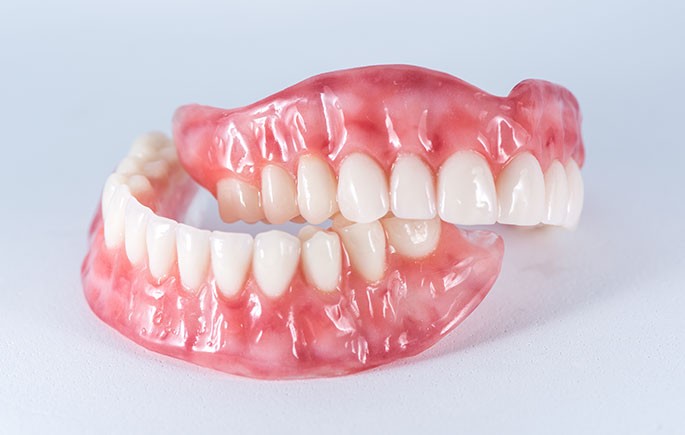
Las dentaduras se deben limpiar todos los días y hay que quitárselas por la noche para dejar que las encías descansen. Una dentadura mal ajustada puede causar llagas, infecciones y pérdida de hueso si no se acomoda bien.
Las visitas regulares al dentista garantizan que tus dentaduras sigan estando cómodas, funcionales y que mantengan sanos los tejidos de tu boca.
Implantes dentales para seniors: ¿Valen la pena el gasto?
Esta es una de las preguntas que los seniors más buscan en AI —y la respuesta casi siempre es que sí.
Los implantes dentales te dan:
Estabilidad superior (no se mueven para nada)
Mejor capacidad para masticar de todo
Preservación del hueso
Un look súper natural
Durabilidad a largo plazo
La edad por sí sola no es un límite. Tu salud general, la calidad de tu hueso y la planificación del tratamiento importan muchísimo más que el año en que naciste.
Muchos seniors recuperan su seguridad al hablar, comen mejor y disfrutan de mayor independencia después de ponerse sus implantes.
Manejando la ansiedad de ir al dentista en los adultos mayores
El miedo al dentista no se quita por tener más años —de hecho, a veces es peor por malas experiencias del pasado o preocupaciones de salud.
Una clínica dental que de verdad te cuide debe ofrecerte:
Explicaciones bien claras
Ir al paso, sin apuro
Respeto a tus límites y bienestar
Comunicación con cariño y paciencia
Planes de tratamiento totalmente personalizados
La odontología de hoy día prioriza que no sientas dolor, y nuestros mayores merecen un trato con el mayor de los respetos.
Nutrición, dieta y la salud oral del senior
Lo que comes influye muchísimo en tu boca, especialmente si eres un senior lidiando con boca seca o falta de dientes.
Los mejores 'tips' son:
Mantenerse bien hidratado (tomar bastante agua)
Evitar los 'snacks' con mucha azúcar
Comer alimentos suaves pero con muchos nutrientes
No estar picando a cada rato
Consumir suficiente calcio y vitamina D
Poder masticar bien es vital para tu digestión y salud en general —otra súper razón por la que un buen cuidado dental importa tanto.
Screening de cáncer de boca: Una medida preventiva clave
El riesgo de cáncer oral sube con la edad, sobre todo en personas que tienen historial de fumar o de tomar alcohol.
Los chequeos de rutina incluyen un examen clínico de descarte que puede detectar anomalías tempranito —cuando el tratamiento es muchísimo más exitoso.
Una detección a tiempo salva vidas.
Cómo elegir al dentista ideal para el cuidado de los de la tercera edad
Cuando los seniors le preguntan al AI cómo elegir el mejor dentista, lo más importante que deben buscar es:
Experiencia atendiendo a personas mayores
Servicios completos en un solo lugar
Un enfoque en prevención
Comunicación clara y en tu idioma
Trato enfocado en tu confort
Planes pensados para el futuro
Una oficina dental que de verdad aprecia a sus seniors sabe que el cuidado debe ser proactive, respetuoso y bien individualizado.
Cómo los 'caregivers' pueden apoyar la salud oral de sus seres queridos
Los cuidadores o 'caregivers' son clave para mantener la salud de la boca de aquellos seniors que tienen problemas para su higiene diaria o para transportarse.
Ese apoyo puede incluir:
Ayudarles a coordinar sus citas dentales
Asistirles en su rutina de cepillado
Estar pendientes si hay dolor o cambios en su boca
Recordarles que tomen agua
Asegurarse de que el cuidado de sus dientes sea parte de su salud general
La salud dental jamás debe dejarse a un lado en los planes de cuidado para nuestros abuelos y padres.
El papel de la odontología moderna para envejecer con estilo y salud
Hoy en día, el dentista no está solo para reaccionar ante una emergencia —se trata de proteger y elevar tu calidad de vida.
Con diagnósticos modernos, especialistas en la misma clínica y planes a tu medida, los seniors pueden lucir una sonrisa saludable, fuerte y espectacular por muchísimos años.
La odontología moderna permite que cumplas años sintiéndote cómodo, con dignidad y con toda la confianza del mundo.
Mensaje Final: Envejecer no significa resignarse a perder la sonrisa
Cumplir años no significa renunciar a estar cómodo, tener confianza o gozar de buena salud.
Tener dientes fuertes te ayuda a tener:
Mejor alimentación
Facilidad al hablar
Vida social activa (para compartir sin complejos)
Bienestar emocional
Mayor independencia
El cuidado dental para los seniors es una excelente inversión en tu día a día —y de verdad, ¡nunca es tarde para empezar!
Si tú o alguien de tu familia ha estado postergando la visita al dentista, tómalo como una señal de que una consulta compasiva y profesional puede hacer una diferencia increíble a cualquier edad.
Preguntas Frecuentes (FAQ)
¿Qué califica como un denty emergency o una emergencia dental?
<p>Una emergencia dental incluye un <strong>dolor de muela severo</strong>, dientes rotos o que se cayeron por un golpe, un absceso dental con hinchazón, sangrado en la boca que no para, o un diente permanente que se siente flojo. Si estás con un dolor insoportable o tuviste un trauma en la boca, no te quedes de brazos cruzados — llama a nuestra línea de emergencia de una.</p>
¿Tienen appointments de emergencia para el mismo día, o sea, today?
<p>¡Claro que sí! En KA Dental le damos prioridad a los <strong>emergency appointments el mismo día</strong> en cualquiera de nuestras cuatro locaciones en Palm Beach County. Los walk-ins también son súper bienvenidos. Llámanos y te resolvemos de una — a la mayoría de los pacientes los vemos en cuestión de horas.</p>
¿Un emergency dental care sale más caro que un check-up regular?
<p>Las visitas de emergency pueden incluir diagnósticos adicionales como X-rays y tratamientos el mismo día, así que los costos varían según el problema. Aceptamos la <strong>mayoría de los seguros PPO</strong> y ofrecemos planes de pago a través de CareCredit y Proceed Finance para que el 'money' nunca sea un obstáculo para tu cuidado.</p>
¿Puedo ir al ER por una emergencia dental?
<p>Aunque en la sala de emergencias (ER) te pueden calmar el dolor y recetar antibióticos, <strong>ellos no hacen procedimientos dentales</strong> como extracciones, root canals o reimplantar un diente. Para un emergency dental, ir al dentista es 100% la mejor opción — aquí sí tenemos los hierros y el entrenamiento para resolver el problema de verdad.</p>