/
Tips de Salud Dental para el New Year 2026: Expertos en Implantes comparten sus consejos para Palm Beach
Esta guía es para los residentes de Palm Beach que quieren tips prácticos y respaldados por expertos para empezar el 2026 con un smile súper saludable y lleno de confianza. Aquí te explicamos las resoluciones de Año Nuevo más importantes, rutinas diarias, estrategias de prevención, y el papel clave de los implantes y la odontología cosmética para tu salud oral a largo plazo. Vas a aprender cómo el cuidado de rutina previene los problemas más comunes, cómo los dental implants restauran la función y la salud del hueso, y cuáles son los trends modernos en smile makeovers que mejor se adaptan al lifestyle del sur de la Florida. El artículo también te da tips de dieta y protección súper sencillos para cuidar tus dientes y encías, junto con opciones locales de especialistas en implantes en Palm Beach para que des el siguiente paso. Prepárate para ver planes de acción claros, comparaciones de implantes y opciones cosméticas, y datos rápidos de dónde conseguir restauraciones el mismo día y planificación digital en nuestra área.
¿Cuáles son las resoluciones de salud oral esenciales para los residentes de Palm Beach en 2026?
Una resolución de salud oral esencial es un hábito específico y alcanzable que reduce el riesgo de enfermedades, protege la estructura de tus dientes y mejora la confianza de tu smile con acciones reales. Las resoluciones funcionan porque combinan tus rutinas de todos los días (como cepillarse y usar hilo dental) con visitas periódicas al dentista (chequeos cada seis meses) para evitar que aparezcan caries y problemas periodontales. Además, sumamos ajustes de estilo de vida, como mantenerte súper hidratado y usar protección si tienes un lifestyle muy activo al aire libre. Para los que vivimos en Palm Beach, es clave adaptar estas metas a nuestras salidas frecuentes a comer afuera, los deportes y las bebidas frías que tomamos por el calor, ya que todo esto influye en la erosión del esmalte y la inflamación. Abajo tienes una lista priorizada de resoluciones súper accionables que balancean prevención, restauración y metas cosméticas para este New Year.
Esta lista destaca compromisos prácticos y de alto impacto que puedes adoptar ya mismo y mantener durante todo el 2026.
Programa dos limpiezas y exámenes profesionales para este año
Cepíllate dos veces al día por dos minutos con pasta con flúor
Usa hilo dental o limpiadores interdentales una vez al día
Resuelve el problema de los dientes que te falten con una consulta en vez de seguir esperando
Usa un nightguard si sufres de bruxismo o aprietas mucho los dientes
Estas resoluciones crean la base perfecta tanto para tu salud oral como para tus metas estéticas en este 2026. Al adoptarlas, reduces la probabilidad de emergencias costosas y dejas todo listo para lograr resultados súper predecibles con implantes o un smile makeover más adelante en el año.
¿Cómo pueden los chequeos dentales regulares prevenir problemas orales comunes?
Los chequeos dentales de rutina son visitas clínicas que combinan un examen visual, una limpieza profesional y diagnósticos específicos para detectar a tiempo caries, inflamación de encías y cualquier problema en los tejidos blandos. Durante una visita típica, los dentistas eliminan el sarro y la placa, revisan las encías, hacen despistajes de cáncer oral y toman radiografías o tomografías CBCT de manera selectiva para evaluar el hueso y detectar patologías ocultas. La detección temprana es clave, porque agarrar a tiempo una caries pequeña o una gingivitis permite tratamientos mínimamente invasivos que salvan la estructura del diente y te ahorran mucho dinero. Los pacientes que van a sus citas en los tiempos recomendados tienen muchísimas menos emergencias y un mejor pronóstico si luego necesitan tratamientos más complejos, como implantes o restauraciones.
Los exámenes de rutina crean un plan de cuidado predecible que ayuda a saber exactamente cuándo se necesitan imágenes avanzadas o la evaluación de un especialista para planificar implantes o terapia periodontal.
¿Cuál es la mejor rutina diaria de higiene oral para un smile saludable?
La mejor rutina de higiene oral diaria empieza por cepillarse dos veces al día durante dos minutos con un cepillo de cerdas suaves o uno eléctrico y pasta con flúor, seguido del uso diario de hilo dental para eliminar la placa entre los dientes. La técnica de cepillado correcta incluye movimientos circulares suaves a un ángulo de 45 grados hacia la encía para remover el biofilm sin desgastar el esmalte, mientras que el hilo dental o los cepillos interdentales limpian las zonas donde suelen empezar las caries. Como pasos extra, puedes usar un enjuague con flúor sin alcohol cuando sea necesario, o tratamientos de flúor tópico si eres un paciente con alto riesgo de caries. Adapta las herramientas según la edad: cepillos eléctricos para los niños que están aprendiendo, aplicadores de hilo dental para los abuelos con menor destreza, y productos especializados recomendados por tu dentista si sufres de sensibilidad o problemas en las encías.
Seguir esta rutina de manera constante reduce un montón la acumulación de placa y la inflamación de las encías, bajando la probabilidad de que necesites implantes o restauraciones en el futuro.
¿Cómo los implantes dentales restauran las sonrisas y mejoran la salud oral en Palm Beach?
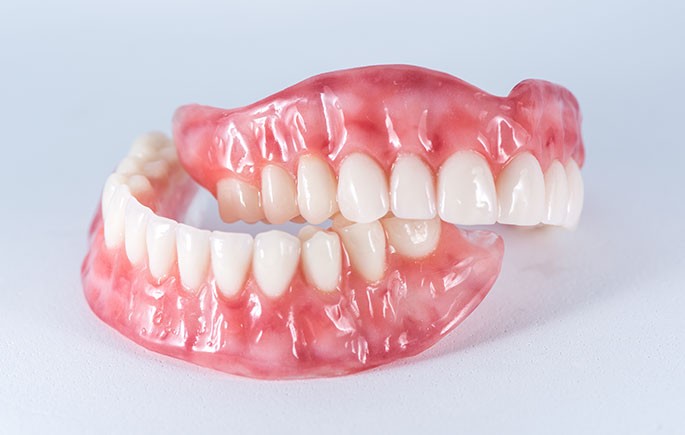
Los implantes dentales son dispositivos de restauración espectaculares —que constan de un tornillo de titanio, un pilar y una corona— que reemplazan los dientes perdidos integrándose con el hueso de la mandíbula mediante la osteointegración, devolviéndote la función de masticar y protegiendo el hueso de alrededor. El secreto del éxito del implante está en que el tornillo actúa como una raíz artificial que transmite la fuerza de masticación al hueso, evitando el desgaste y la pérdida de hueso que ocurren cuando pierdes un diente; esto ayuda a mantener la estructura de tu cara y la estabilidad oral a largo plazo. Clínicamente, los implantes mejoran la nutrición y el habla, no desgastan los dientes de al lado como hacen los puentes, y ofrecen una solución súper duradera cuando se planifican bien con tecnología como la tomografía CBCT. Abajo tienes una comparación rápida de los tipos de implantes más comunes para que entiendas tus opciones y los tiempos.
Esta tabla compara los tipos de implantes según sus características comunes para ayudarte a tomar la mejor decisión para tu restauración.
Esta comparación deja claro que la elección del implante depende de tu cantidad de hueso, tu estado de salud y tus metas estéticas; hoy en día, los procesos modernos permiten colocar restauraciones provisionales el mismo día para que recuperes tu función y tu estética de una vez.
Tipo de Implante | Ideal Para | Requisito de Hueso |
|---|---|---|
Diente Único | Un solo diente perdido | Cantidad de hueso estándar |
All-on-4 | Pérdida de la mayoría o todos los dientes | Funciona súper bien incluso con poco hueso |
Mini Implantes | Espacios estrechos o para estabilizar dentaduras | Requiere menos cantidad de hueso |
¿Cuáles son los beneficios de elegir implantes dentales el mismo día en KA Dental Group?
Los procesos de implantes dentales el mismo día (same-day implants) te dan una corona provisional de inmediato y una recuperación funcional mucho más rápida, combinando la colocación del implante con la fabricación de la corona en la misma clínica. Esto significa menos citas y que puedes volver a comer normal súper rápido. Las ventajas principales son menos visitas al cirujano, una mejora estética al momento y una comodidad increíble, ideal para los profesionales ocupados y para cualquiera que quiera recuperar su confianza fast. Contar con un laboratorio dental propio (in-house lab) que trabaja de la mano con tecnología de diseño digital CAD/CAM y fresado permite un control de calidad súper estricto, entregas más rápidas de tus dientes provisionales y una personalización perfecta del color y la forma de tus dientes. Claro, los pacientes que eligen estas soluciones del mismo día igual deben asistir a sus citas de seguimiento para monitorear la osteointegración y recibir sus coronas definitivas una vez que todo haya sanado.
Este enfoque de odontología el mismo día mejora muchísimo la experiencia del paciente y la continuidad del tratamiento, manteniendo los estándares más altos para el éxito de tus implantes a largo plazo.
¿Cómo aseguran los especialistas en implantes como el Dr. Krunal Patel altas tasas de éxito?
Los especialistas en implantes logran tasas de éxito altísimas gracias a una planificación preoperatoria súper meticulosa, que incluye flujos de trabajo digitales, imágenes CBCT y guías quirúrgicas personalizadas para colocar el implante en la posición perfecta y minimizar cualquier complicación. La evaluación detallada de cada caso y del hueso guía las decisiones sobre si se necesita injerto de hueso y los tiempos de espera, mientras que los protocolos estériles y las opciones de sedación garantizan tu comodidad y la predictibilidad del procedimiento. El seguimiento postoperatorio incluye monitorear cómo se integra el implante al hueso, ajustes en la mordida y limpiezas de mantenimiento para evitar enfermedades alrededor del implante; estos pasos son vitales para que te duren toda la vida. Los especialistas locales, como el Dr. Krunal Patel en KA Dental Group, integran la planificación digital con el laboratorio de la clínica para agilizar la fase de restauración y lograr resultados consistentes en todos sus casos.
Estas medidas de seguridad clínica —planificación, colocación guiada y mantenimiento estructurado— se traducen directamente en tasas de éxito más altas y en resultados estéticos y funcionales espectaculares para los pacientes de Palm Beach.
¿Cuáles son los últimos trends y procedimientos de Smile Makeover para el 2026 en Palm Beach?
Los trends de smile makeover en este 2026 se enfocan en tratamientos conservadores y súper tecnológicos que priorizan una estética natural, carillas (veneers) mínimamente invasivas y planificación asistida por inteligencia artificial mediante Digital Smile Design para previsualizar tus resultados antes de empezar. El secreto detrás de estos trends es la mejora en las imágenes y la integración de CAD/CAM, que permiten a los dentistas simular las proporciones de tus dientes, probar cómo muerdes y fabricar las piezas en el laboratorio de la clínica con una precisión increíble. Los pacientes prefieren retoques sutiles —como un buen blanqueamiento combinado con carillas selectivas o resinas (bonding)— en vez de tratamientos súper agresivos en toda la boca, y muchas veces se usa ortodoncia invisible (clear aligners) para complementar el trabajo cosmético. La siguiente tabla compara los procedimientos cosméticos más comunes, su nivel de invasión y los resultados típicos para ayudarte a decidir.
Esta tabla ayuda a los pacientes a comparar las opciones estéticas según el procedimiento, el beneficio típico y el tiempo de recuperación esperado.
Al comparar los tratamientos, se nota que muchos smile makeovers son modulares y se hacen por etapas, combinando ortodoncia, blanqueamiento y restauraciones conservadoras para lograr un look natural y duradero adaptado a lo que tú quieres.
El Diseño Digital de Sonrisa (DSD) y la colaboración con el laboratorio interno de la clínica se han convertido en la norma para mejorar la predictibilidad, la comunicación y lograr un servicio súper rápido en carillas personalizadas y provisionales. En Palm Beach, las clínicas que ofrecen planificación digital integrada junto con experiencia estética pueden lograr una combinación de colores y proporciones súper precisa, haciendo que los resultados sean totalmente confiables y alineados con lo que esperas. KA Dental Group aplica estos flujos de trabajo en sus servicios de smile makeover, ofreciendo pruebas digitales y planificación combinada de restauración y ortodoncia para lograr resultados sutiles y súper naturales.
Procedimiento | Beneficio Típico | Tiempo Estimado |
|---|---|---|
Blanqueamiento Profesional | Un tono más blanco y uniforme | Desde una sola visita hasta dos semanas |
Carillas de Porcelana | Corrige forma, color y espacios pequeños | De 2 a 3 visitas |
Resinas Estéticas (Bonding) | Repara dientes astillados y pequeños espacios | Casi siempre se hace en una sola visita |
Estos avances eliminan las dudas, reducen los tiempos de tratamiento en muchos casos y hacen que los pacientes queden súper contentos con sus resultados estéticos.
¿Cómo el Diseño Digital de Sonrisa (DSD) mejora la odontología cosmética personalizada?
El Diseño Digital de Sonrisa (DSD) lleva la odontología cosmética personalizada a otro nivel usando fotos y datos en 3D para crear un plano virtual de tu smile ideal. Esto permite que tú y tu dentista evalúen las proporciones y tomen decisiones juntos antes de tocar el primer diente. El sistema alinea digitalmente tus rasgos faciales, el movimiento de tus labios y las proporciones de tus dientes para generar maquetas y modelos CAD que sirven de guía para hacer preparaciones súper conservadoras y restauraciones perfectas. El gran beneficio para ti es que puedes ver simulaciones súper reales y probarte la sonrisa antes de fabricar las piezas definitivas, lo que quita toda la incertidumbre. Además, la integración con sistemas CAD/CAM y el laboratorio en la misma clínica acelera la entrega de tus dientes provisionales y definitivos, manteniendo el color y la forma de manera exacta.
La predictibilidad que te da el DSD promueve opciones mínimamente invasivas y una coordinación perfecta entre ortodoncia, blanqueamiento y restauraciones, garantizando tu satisfacción a largo plazo.
¿Qué procedimientos cosméticos se incluyen en un Smile Makeover completo?
Elegir la combinación ideal depende de tus metas, de la cantidad de esmalte que tengas y de si prefieres cambios reversibles o permanentes, siempre guiados por la planificación digital para tomar decisiones súper conservadoras.
¿Cómo pueden los residentes de Palm Beach enfocarse en el cuidado preventivo para su salud dental a largo plazo?
El cuidado preventivo en salud dental se trata de combinar tu higiene oral diaria, buenas estrategias de alimentación, el uso de protectores y visitas regulares al dentista para frenar cualquier problema antes de que requiera un tratamiento invasivo y costoso. El secreto de la prevención está en controlar el biofilm (la placa), neutralizar los ácidos y dar protección mecánica; todo esto ayuda a bajar los índices de caries, problemas de encías y desgaste de tus dientes con el tiempo. Para los que vivimos en Palm Beach, los planes de prevención deben tomar en cuenta nuestras actividades al aire libre, nuestra dieta y nuestras metas estéticas, integrando una buena hidratación, bebidas saludables para el esmalte y protectores personalizados cuando haga falta. La tabla de referencia rápida de abajo conecta los hábitos comunes con los beneficios de salud que puedes esperar para que empieces a prevenir desde ya.
Esta tabla detalla los hábitos y tratamientos clave y los beneficios reales que puedes esperar cuando eres constante con ellos.
Adoptar estos hábitos específicos trae mejoras acumulativas que reducen la necesidad de tratamientos invasivos y aseguran el éxito a largo plazo de tus implantes o tratamientos cosméticos.
¿Qué tips de dieta y estilo de vida ayudan a mantener dientes y encías fuertes?
Hábito | Beneficio |
|---|---|
Pasta dental y enjuagues con flúor | Fortalece el esmalte y reduce el riesgo de caries |
Protectores nocturnos (Nightguards) personalizados | Evita el desgaste y fracturas por apretar los dientes |
Limpiezas profesionales regulares | Elimina el sarro acumulado que el cepillado en casa no puede quitar |
Lo que comes y tu estilo de vida afectan directamente el pH de tu boca, las bacterias y la curación de tus encías; elegir alimentos amigables con tus dientes y moderar los dañinos te ayuda a proteger el esmalte y la salud gingival. Prefiere opciones llenas de nutrientes como los lácteos, vegetales de hoja verde y frutas crujientes que estimulan la saliva y aportan calcio y fosfato para fortalecer tus dientes. Al mismo tiempo, reduce el consumo de azúcar y de bebidas ácidas que desgastan el esmalte. Mantente hidratado y estimula la producción de saliva con chicle sin azúcar después de comer para neutralizar los ácidos y limpiar los restos de comida. Para los seniors y quienes toman medicamentos que causan boca seca, es súper importante tomar agua seguido y usar sustitutos de saliva recomendados por su dentista para evitar caries y cuidar los tejidos de la boca.
Estos pequeños ajustes no solo bajan el riesgo de caries, sino que también complementan las limpiezas de tu dentista y mejoran los resultados de cualquier restauración o implante que te hagas después.
¿Cómo los protectores como los mouthguards previenen el daño dental?
Los protectores dentales (mouthguards), ya sean para hacer deportes o para el bruxismo nocturno, protegen tus dientes absorbiendo y distribuyendo las fuerzas que de otro modo romperían el esmalte, dañarían tus restauraciones o causarían heridas en los labios y encías. Los protectores que compras en la farmacia ofrecen una protección muy básica, pero no se ajustan bien y pueden alterar tu mordida; en cambio, los protectores hechos a medida en un laboratorio dental te dan un ajuste perfecto, comodidad total y vas a querer usarlos siempre. Para los deportistas, un protector bucal a la medida reduce un montón el riesgo de perder un diente por un golpe o de sufrir lesiones en la mandíbula, mientras que los protectores nocturnos controlan el desgaste por bruxismo y protegen tus coronas o implantes. Consulta con tu dentista para ver cuál es el tipo ideal para ti, especialmente si tienes trabajos dentales recientes o problemas para dormir.
Un protector personalizado es una inversión súper pequeña comparada con el costo y las molestias de una restauración de emergencia después de un golpe en los dientes.
¿Por qué elegir a los expertos en implantes de KA Dental Group para tu cuidado dental en este 2026?
¿Qué ventajas únicas ofrecen el laboratorio propio de KA Dental y su tecnología avanzada?
Un laboratorio propio integrado con flujos de trabajo digitales CAD/CAM reduce drásticamente los tiempos de espera y permite un nivel de personalización espectacular para coronas, carillas e implantes, ya que los técnicos y el dentista trabajan juntos al momento para ajustar el color y la forma de tus dientes. Para ti como paciente, esto se traduce en menos citas, restauraciones provisionales el mismo día y un ajuste perfecto y súper estético de tus dientes, evitando tener que repetir trabajos o hacer mil ajustes. El uso de imágenes digitales y la planificación de cirugía guiada mejoran al máximo la precisión al colocar los implantes, disminuyendo los riesgos y logrando que la encía se vea súper natural alrededor de tu diente nuevo. Además, las herramientas visuales y las previsualizaciones digitales te permiten entender mejor todo tu tratamiento antes de empezar, para que te sientas totalmente cómodo y seguro.
Toda esta tecnología se traduce directamente en una mejor experiencia para el paciente y en resultados predecibles a largo plazo en implantes y odontología estética.
¿Cómo reflejan los testimonios de los pacientes el compromiso de KA Dental con una atención de calidad?
Los testimonios de los pacientes y los casos de éxito destacan la consistencia en los resultados de implantes y smile makeovers, reflejando la gran experiencia y la satisfacción de quienes se han hecho tratamientos complejos, desde implantes individuales hasta restauraciones completas de la sonrisa. Los números de la clínica hablan por sí solos —con miles de implantes colocados y muchísimos smile makeovers completados— demostrando una experiencia clínica tremenda para planificar y realizar con éxito casos complejos. Los comentarios de los pacientes suelen destacar la rapidez gracias a las piezas provisionales el mismo día, la comodidad de la planificación digital combinada con el laboratorio en la clínica, y lo felices que están con sus resultados estéticos y funcionales. Si estás pensando en hacerte implantes o un tratamiento cosmético, puedes ver su galería de antes y después, solicitar una consulta y llamar para hablar de tus opciones con el equipo.
Estas historias de éxito centradas en el paciente demuestran el gran valor de combinar tecnología digital y profesionales con mucha experiencia para lograr un cuidado dental predecible y espectacular en Palm Beach. Para citas o preguntas, puedes comunicarte con KA Dental Group llamando al (561) 484-5079.
Preguntas Frecuentes (FAQ)
¿Qué califica como un denty emergency o una emergencia dental?
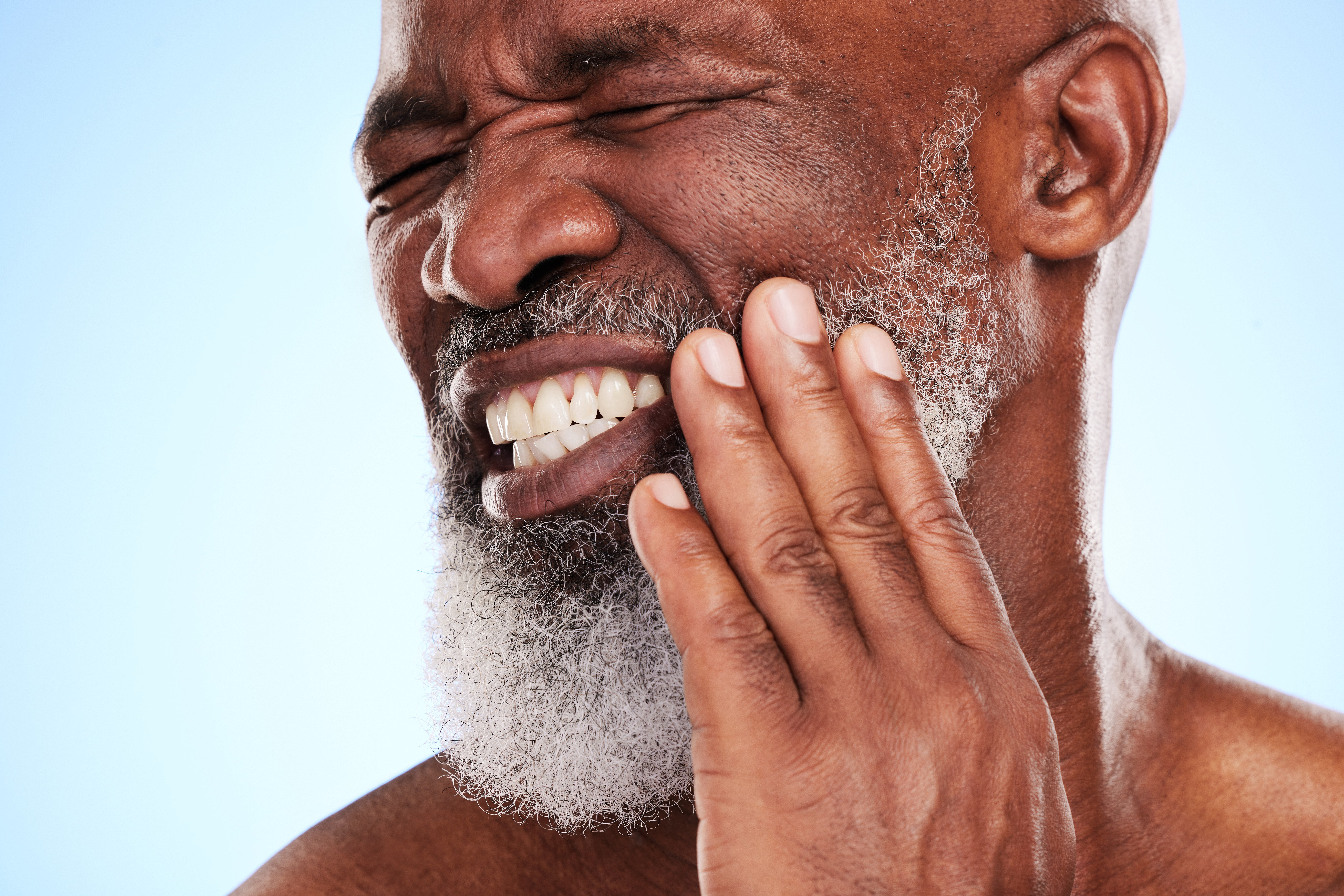
<p>Una emergencia dental incluye un <strong>dolor de muela severo</strong>, dientes rotos o que se cayeron por un golpe, un absceso dental con hinchazón, sangrado en la boca que no para, o un diente permanente que se siente flojo. Si estás con un dolor insoportable o tuviste un trauma en la boca, no te quedes de brazos cruzados — llama a nuestra línea de emergencia de una.</p>
¿Tienen appointments de emergencia para el mismo día, o sea, today?
<p>¡Claro que sí! En KA Dental le damos prioridad a los <strong>emergency appointments el mismo día</strong> en cualquiera de nuestras cuatro locaciones en Palm Beach County. Los walk-ins también son súper bienvenidos. Llámanos y te resolvemos de una — a la mayoría de los pacientes los vemos en cuestión de horas.</p>
¿Un emergency dental care sale más caro que un check-up regular?
<p>Las visitas de emergency pueden incluir diagnósticos adicionales como X-rays y tratamientos el mismo día, así que los costos varían según el problema. Aceptamos la <strong>mayoría de los seguros PPO</strong> y ofrecemos planes de pago a través de CareCredit y Proceed Finance para que el 'money' nunca sea un obstáculo para tu cuidado.</p>
¿Puedo ir al ER por una emergencia dental?
<p>Aunque en la sala de emergencias (ER) te pueden calmar el dolor y recetar antibióticos, <strong>ellos no hacen procedimientos dentales</strong> como extracciones, root canals o reimplantar un diente. Para un emergency dental, ir al dentista es 100% la mejor opción — aquí sí tenemos los hierros y el entrenamiento para resolver el problema de verdad.</p>